
Primary Suspension and Vibration Control
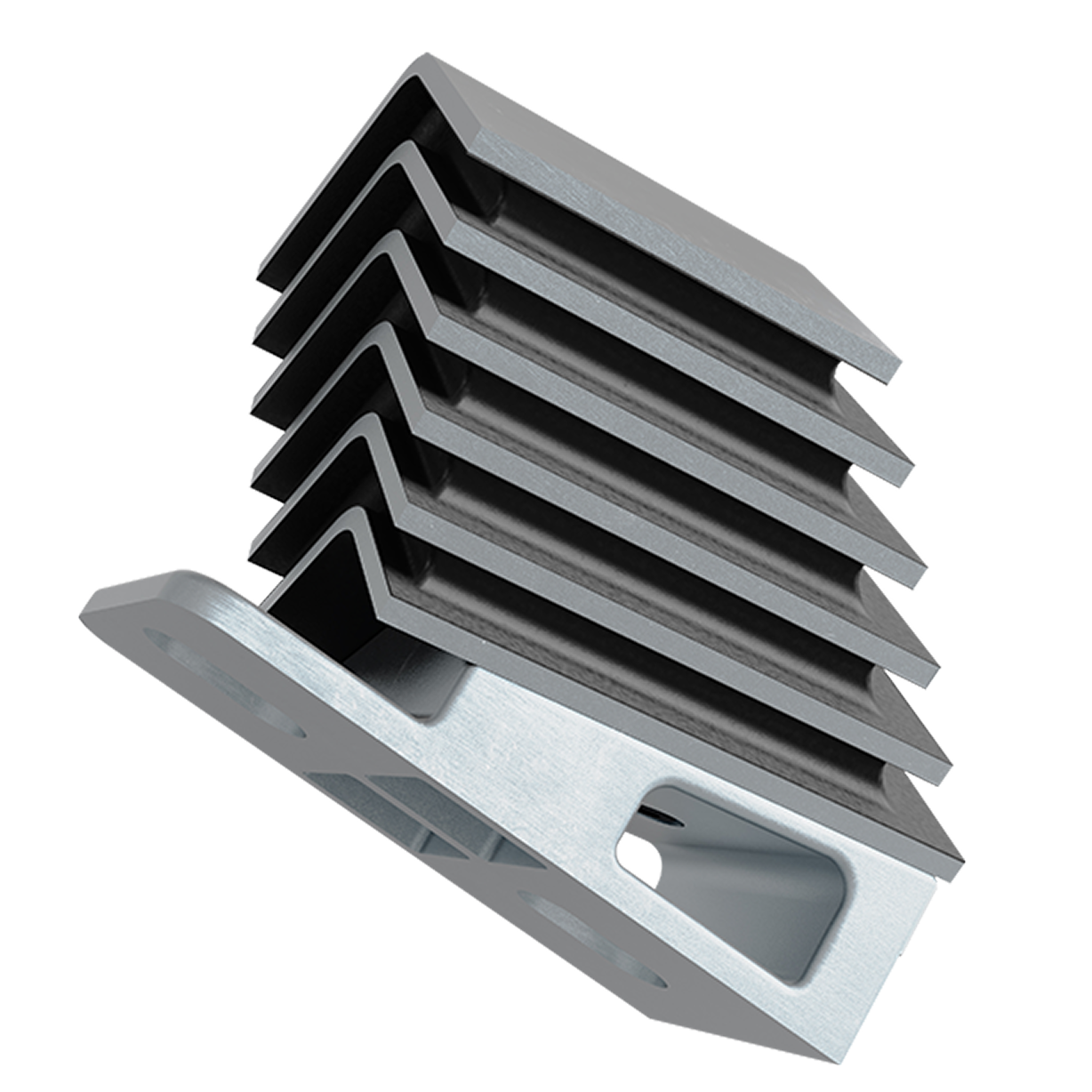
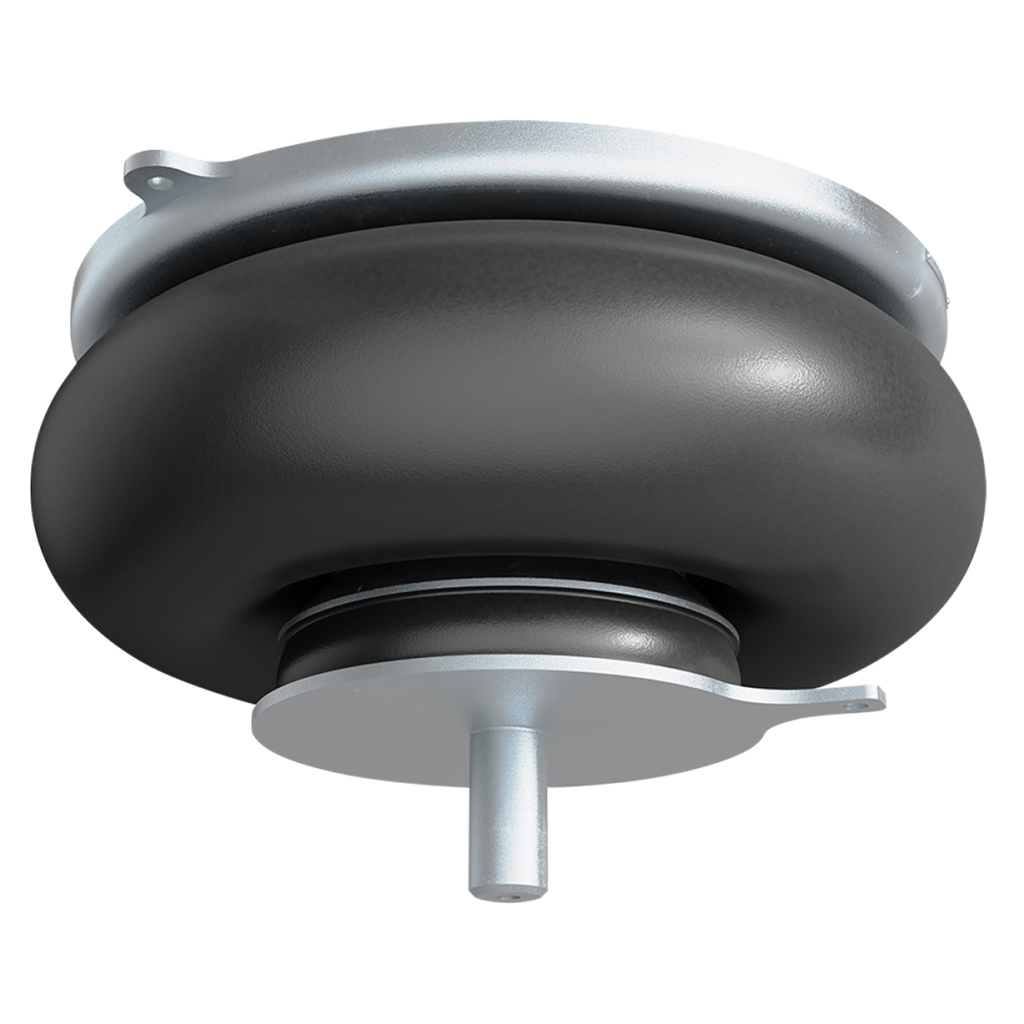
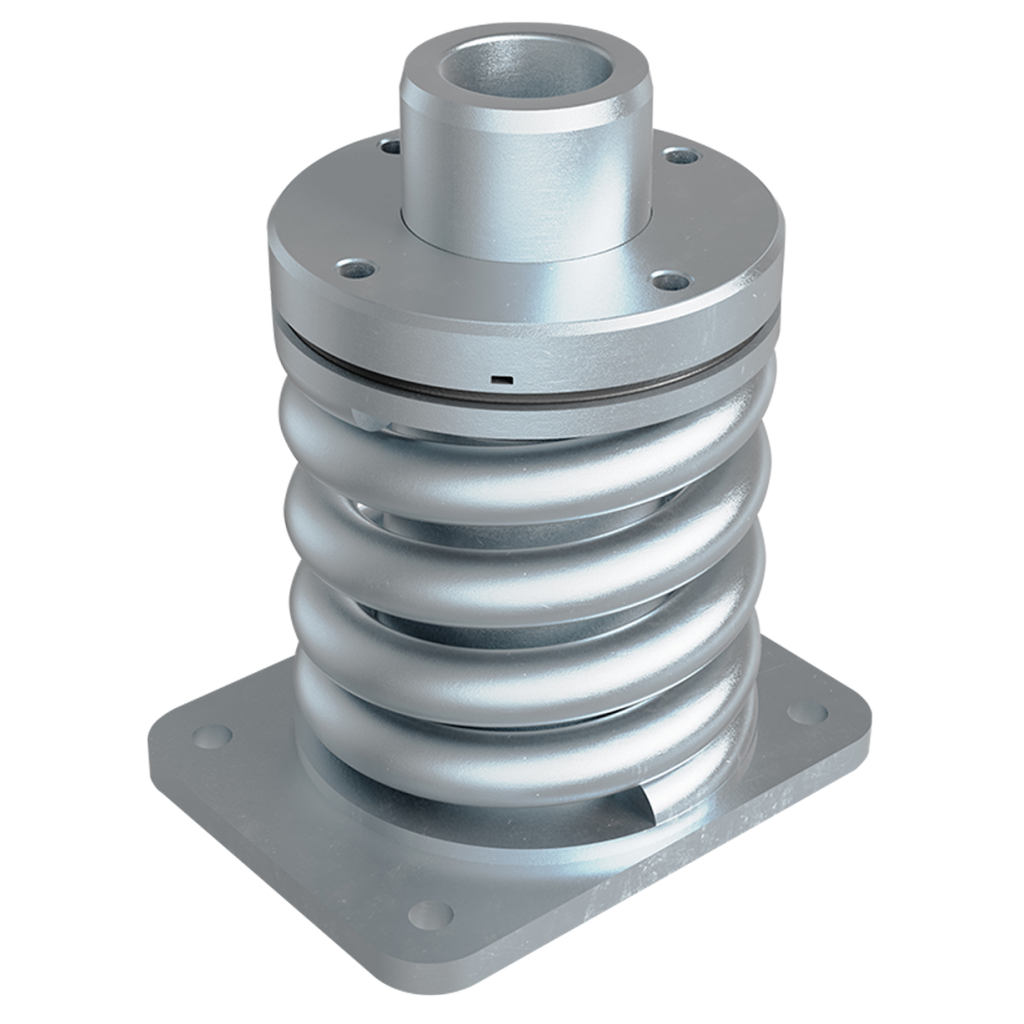
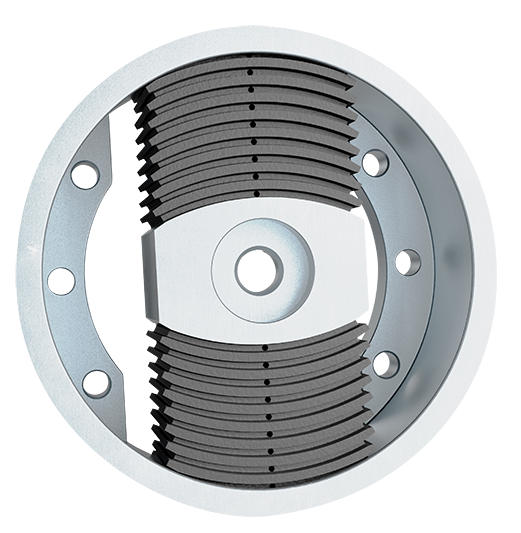
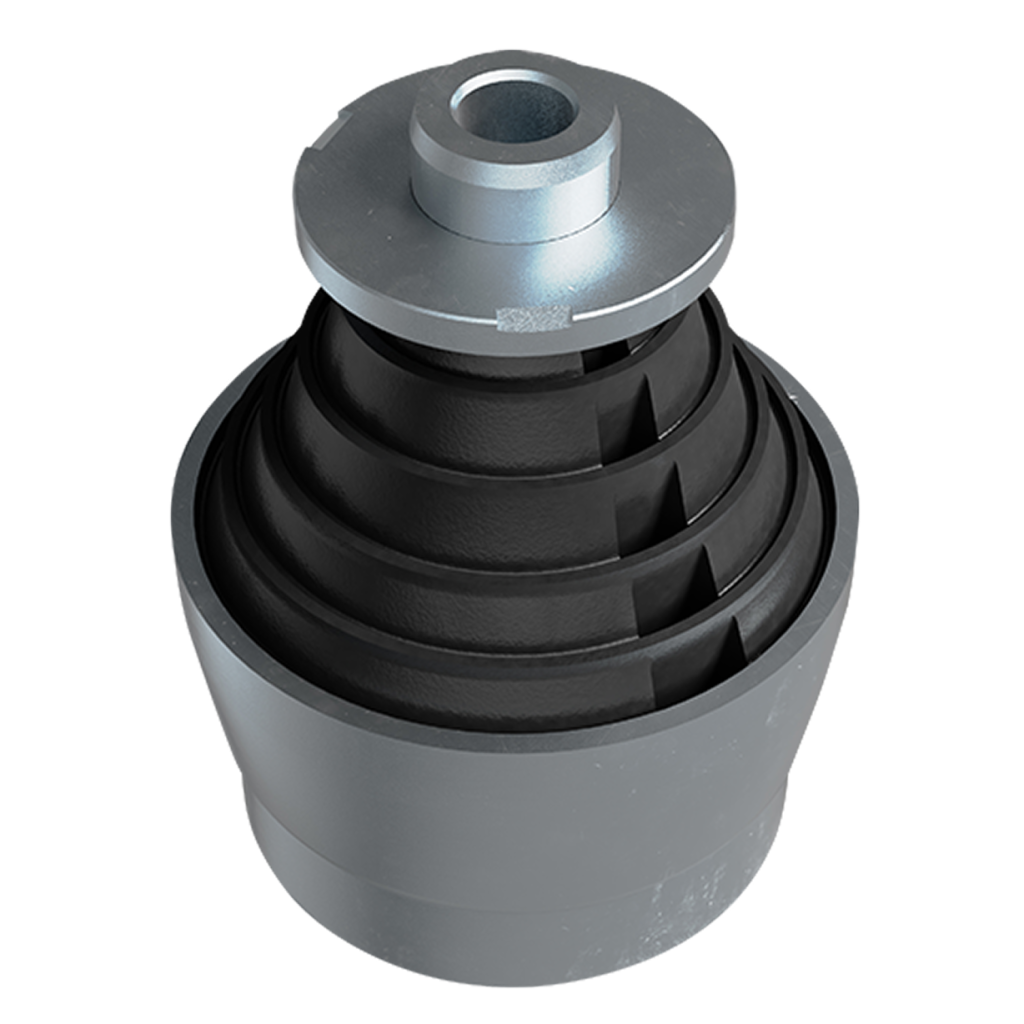
Axle springs form part of the primary suspension of rail vehicles and provide an elastic connection between the wheelset-related assemblies and the bogie structure.
They support static vehicle loads and absorb dynamic forces caused by track irregularities and vehicle movement. Their elastomer layers reduce the transmission of vibration, shock loads and structure-borne noise into the bogie and vehicle body.
The controlled elastic behaviour of the springs also helps protect the bogie structure and adjoining suspension components from excessive dynamic stress.
Key Technical Benefits
- controlled support of static and dynamic vehicle loads;
- defined stiffness characteristics in multiple directions;
- reduction of vibration and structure-borne noise;
- absorption of shock and peak loads;
- compact integration into primary suspension systems;
- protection of bogie and suspension components;
- straightforward installation;
- reliable performance under repeated cyclic loading;
- long operational service life.
Applications in Rail Vehicle Suspension
Axle springs are suitable for different types of rail vehicles, including locomotives, passenger coaches, multiple units, metro vehicles and trams.
They can be supplied for scheduled maintenance, bogie overhaul, fleet refurbishment, suspension modernisation and new rolling stock projects.
Project-specific replacement components can also be manufactured for older vehicle platforms where the original part has been discontinued or is no longer commercially available.
Custom Manufacturing for Suspension Requirements
Axle springs are manufactured in different configurations according to the required suspension function and installation arrangement.
Custom production is possible based on an existing technical drawing, original component, physical sample or defined customer specification. Each project is technically reviewed and calculated individually before production.
German Production and Quality Control
Axle springs are manufactured in Germany under quality management systems certified to ISO 9001 and ISO 22163.
Product-specific verification focuses on dimensional conformity and the agreed vertical, longitudinal and lateral spring characteristics. The load-deflection behaviour is evaluated against the requirements defined for the individual suspension arrangement..
The finished products are supplied with an EN 10204 3.1 inspection certificate.