
Elastic Support of Railway Drive Components
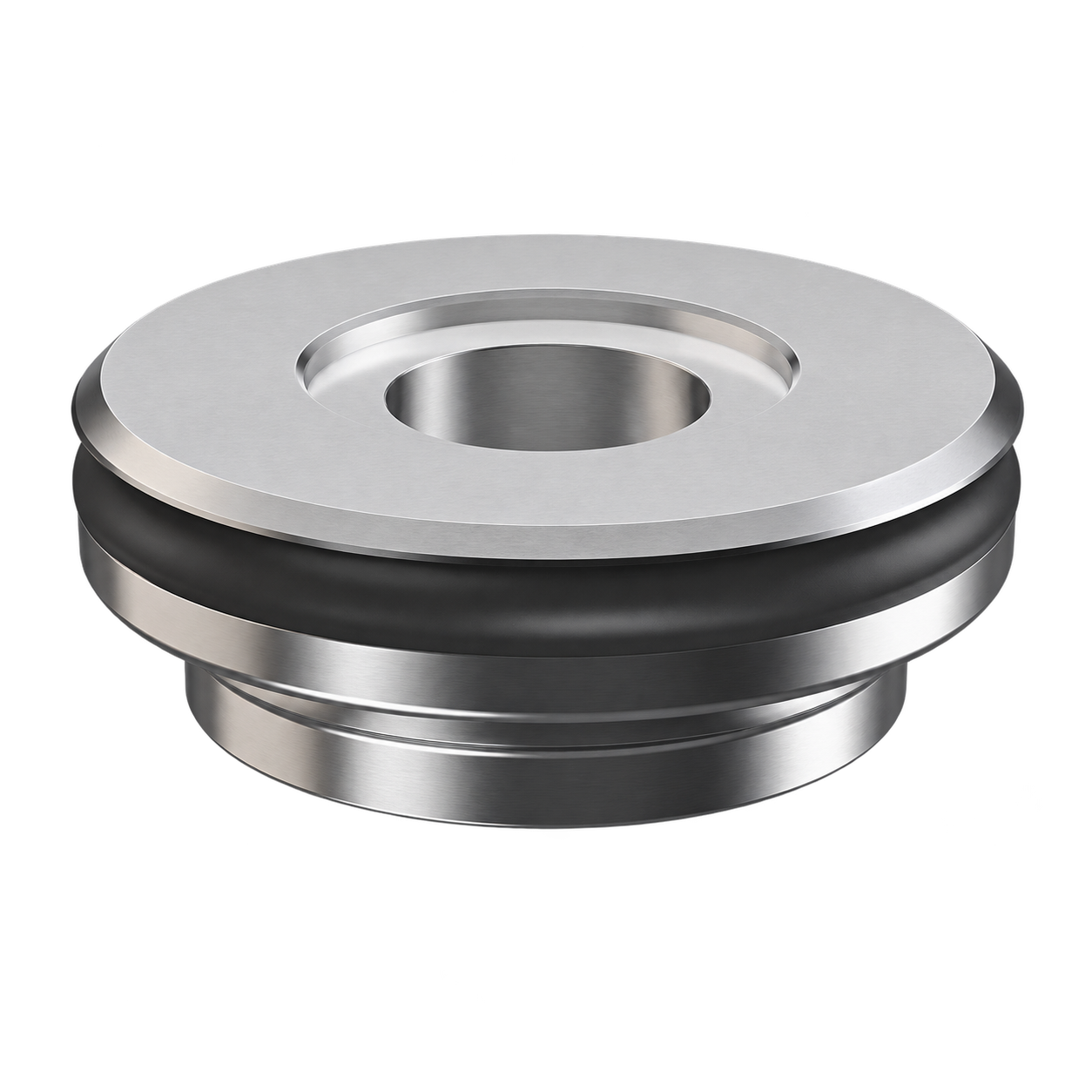
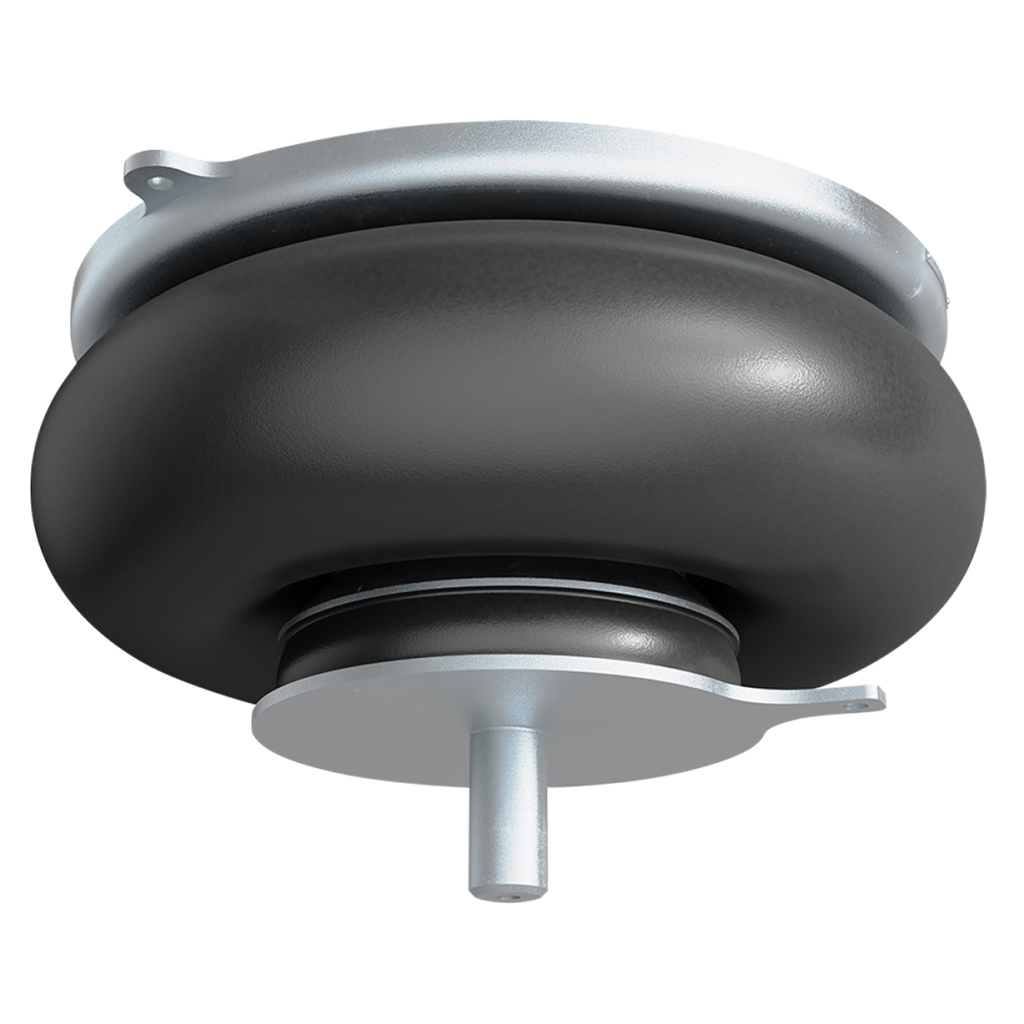
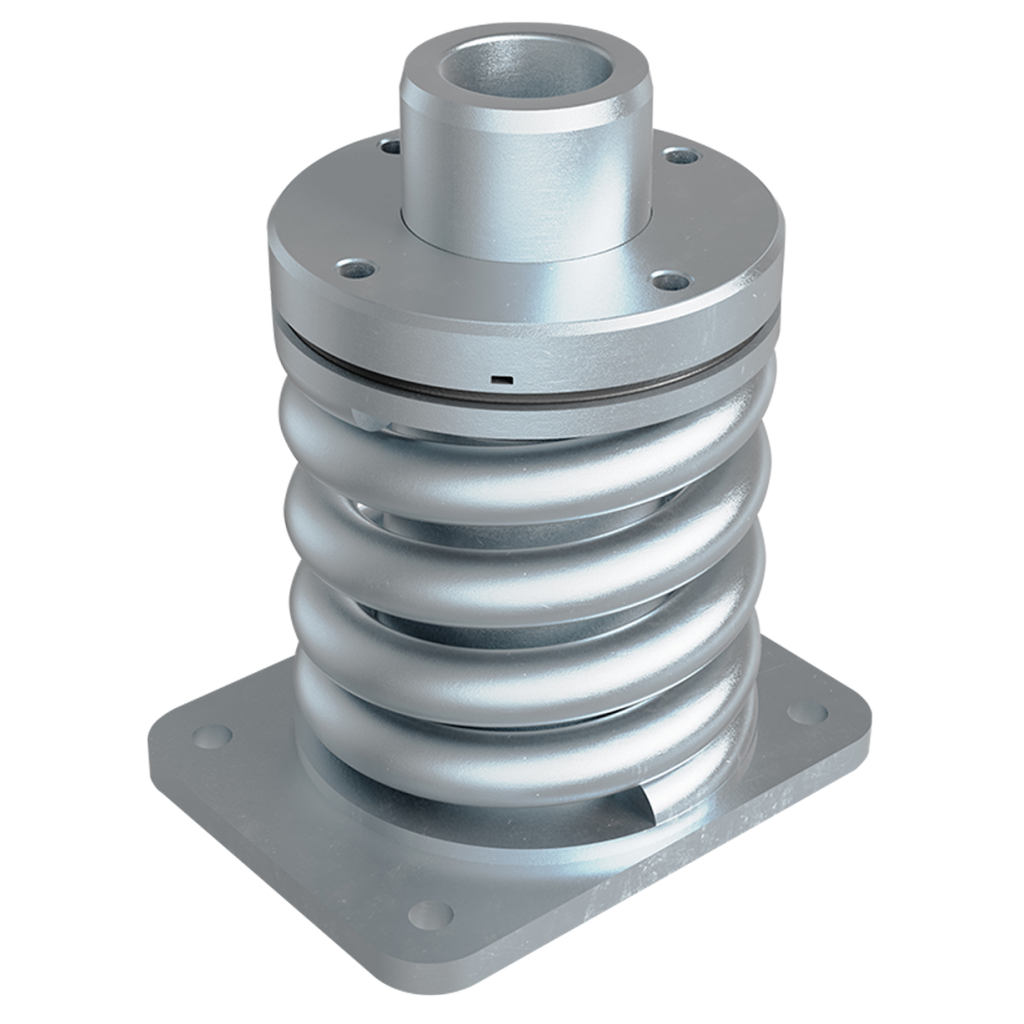
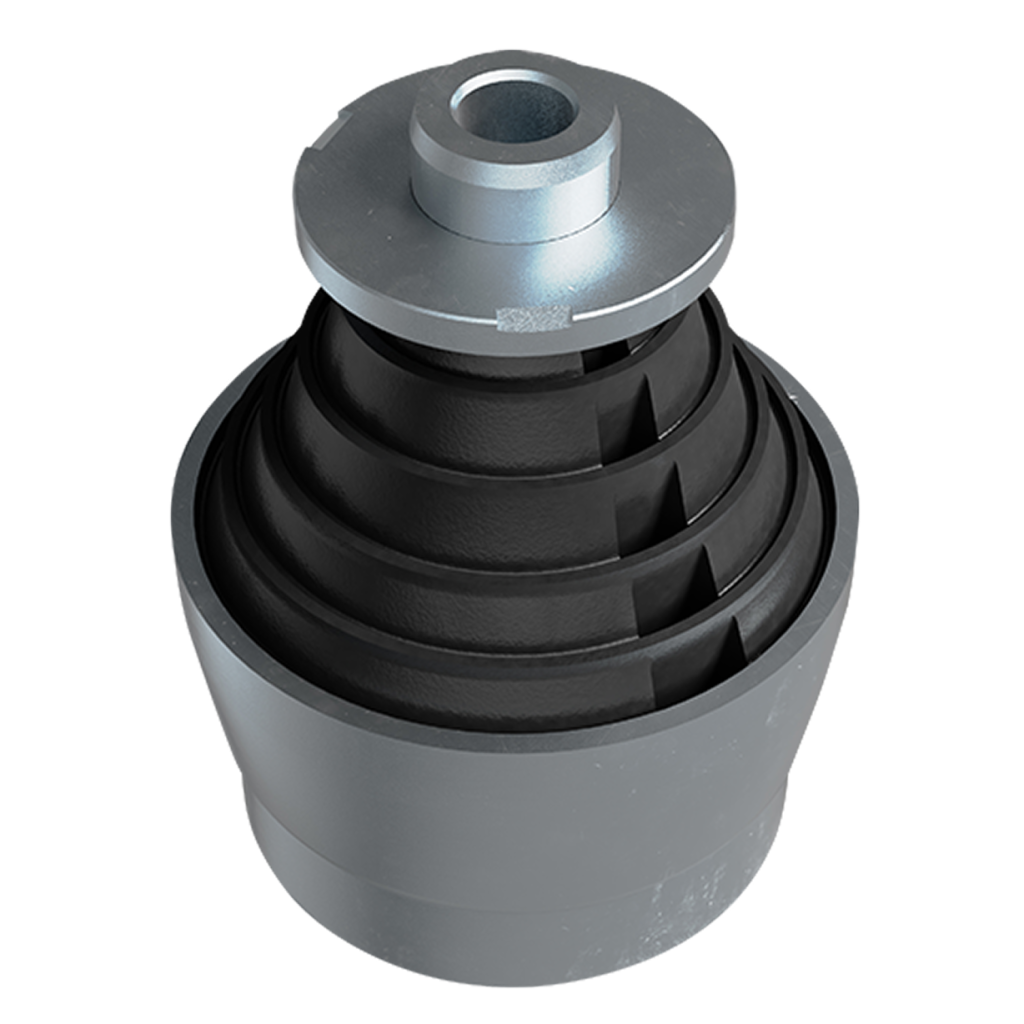
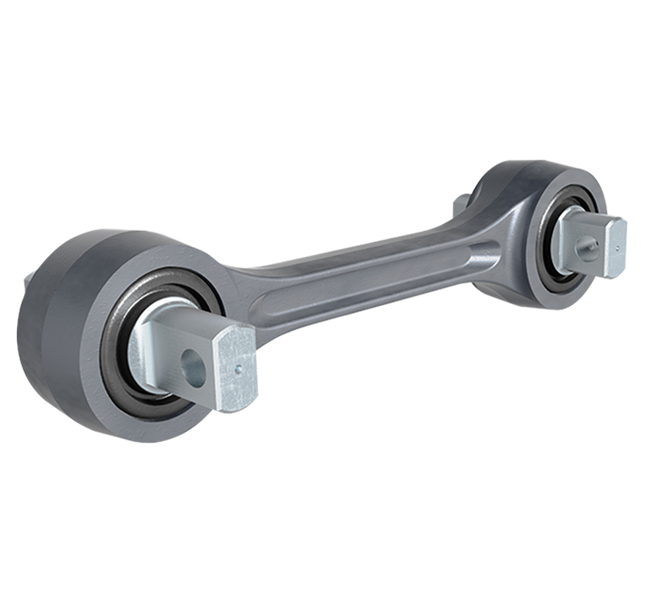
Support bearings are used where drivetrain assemblies require both secure mechanical support and a degree of elastic freedom.
Typical applications include traction-motor mounting, resilient gearbox support and the elastic integration of complete drive units. By separating drivetrain components from surrounding structures, the bearing helps limit the transmission of vibration, shock loads and structure-borne noise.
The required stiffness can be adapted to the application so that operating forces are transmitted reliably while necessary movements of the drivetrain remain controlled.
Multi-Directional Load and Movement Control
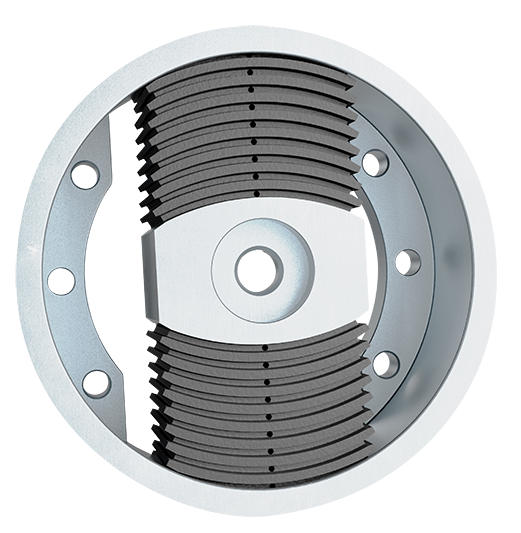
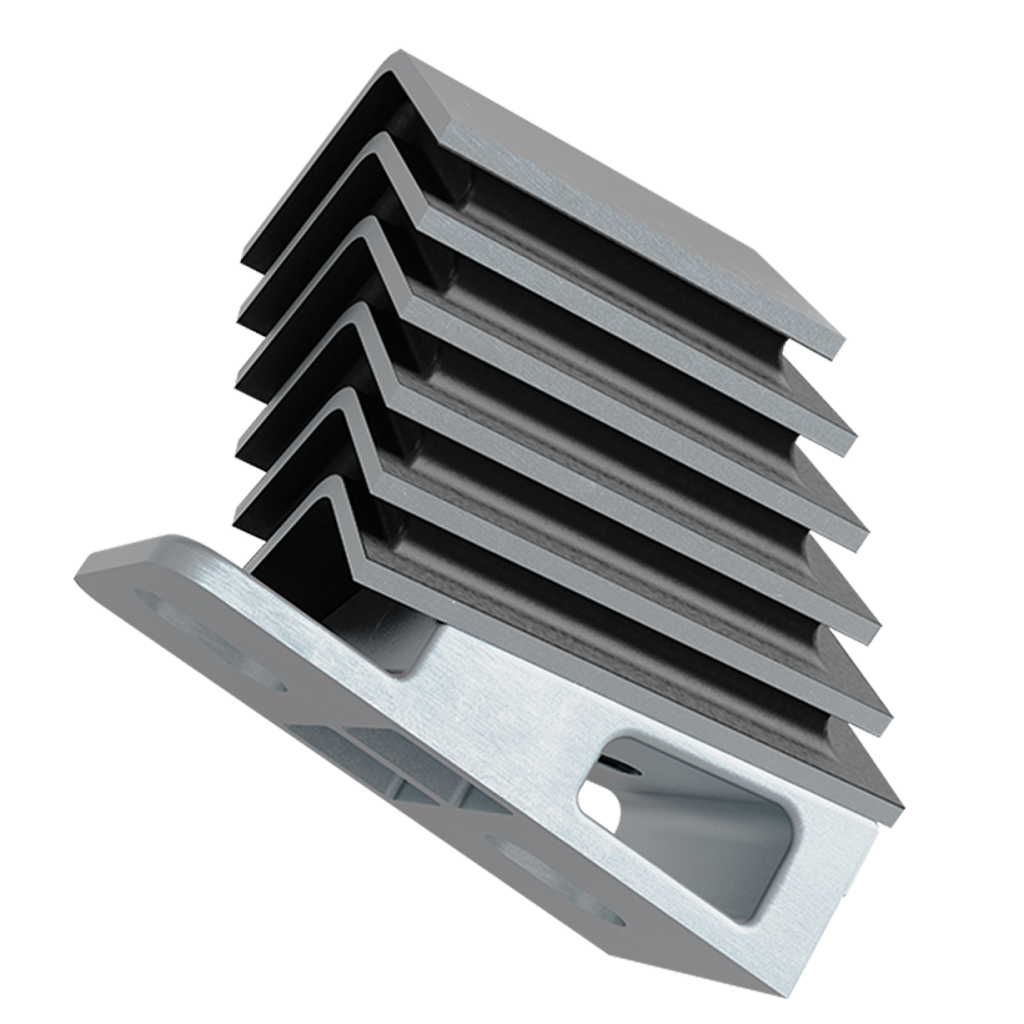
The elastomer section can be designed to respond differently to loads acting in different directions. Depending on the component geometry, support bearings can accommodate radial and axial deformation as well as shear and torsional movement.
This enables the bearing to absorb complex combinations of static and dynamic loads while compensating for manufacturing tolerances, alignment deviations and relative movement between connected drivetrain components.
Key Technical Benefits
- elastic support of traction motors, gear units and drive assemblies;
- controlled transmission of vertical and horizontal forces;
- reduction of vibration and structure-borne noise;
- absorption of shock and dynamic loads;
- accommodation of radial, axial and angular movement;
- compensation for limited alignment deviations;
- adaptable stiffness and damping characteristics;
- reduced mechanical loading of adjoining structures;
- reliable performance under repeated operating loads.
Applications in Railway Drive Systems
Support bearings are used in railway and urban rail vehicles as part of traction-motor, gearbox and drive-unit mounting systems.
They can be supplied for drivetrain maintenance, bogie overhaul, fleet refurbishment, vehicle modernisation and new rolling stock projects. Depending on the vehicle architecture, they may be applied in both low-floor and conventional rail vehicle drive arrangements.
Replacement solutions can also be evaluated when an existing support bearing is obsolete, discontinued or no longer commercially available.
Project-Specific Manufacturing
The dimensions, metal geometry, elastomer compound and elastic characteristics of the bearing are selected according to the required load capacity, movement range, stiffness and installation conditions.
Custom versions can be manufactured according to an existing technical drawing, original component, physical sample or defined customer specification.
Each application is technically reviewed and calculated individually before production to ensure that the component meets the agreed load-transmission, movement and installation requirements.
German Production and Quality Control
Support bearings are manufactured in Germany under quality management systems certified to ISO 9001 and ISO 22163.
Product-specific verification focuses on dimensional conformity and the agreed elastic and load-transmission characteristics. Depending on the project requirements, static, dynamic or service-life testing can be used to verify performance under the intended operating loads.
The finished products are supplied with an EN 10204 3.1 inspection certificate.