
Vibration Isolation in Resilient Wheels
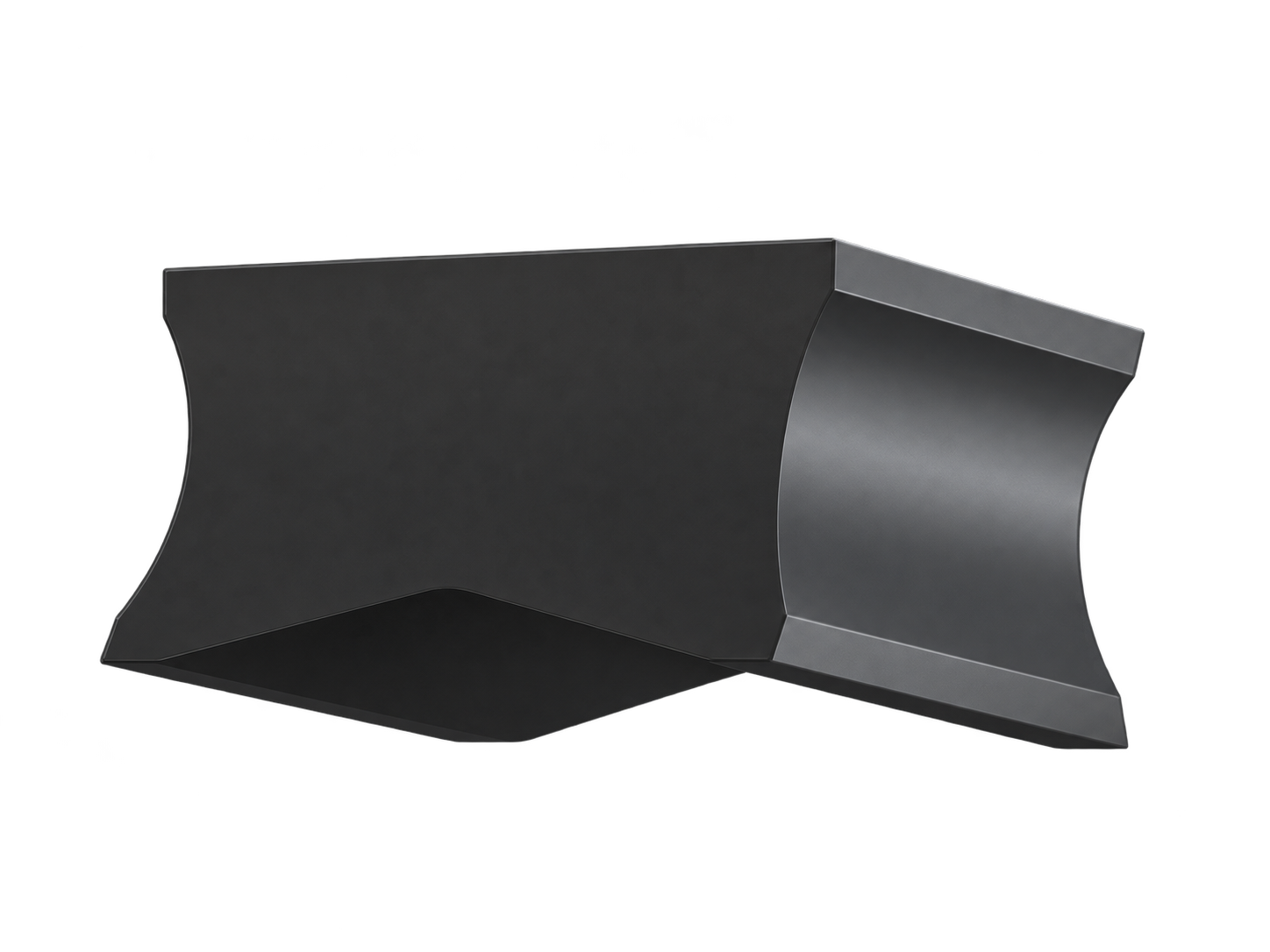
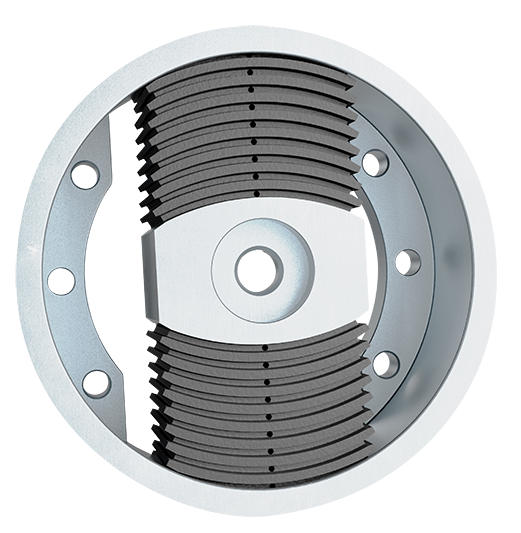
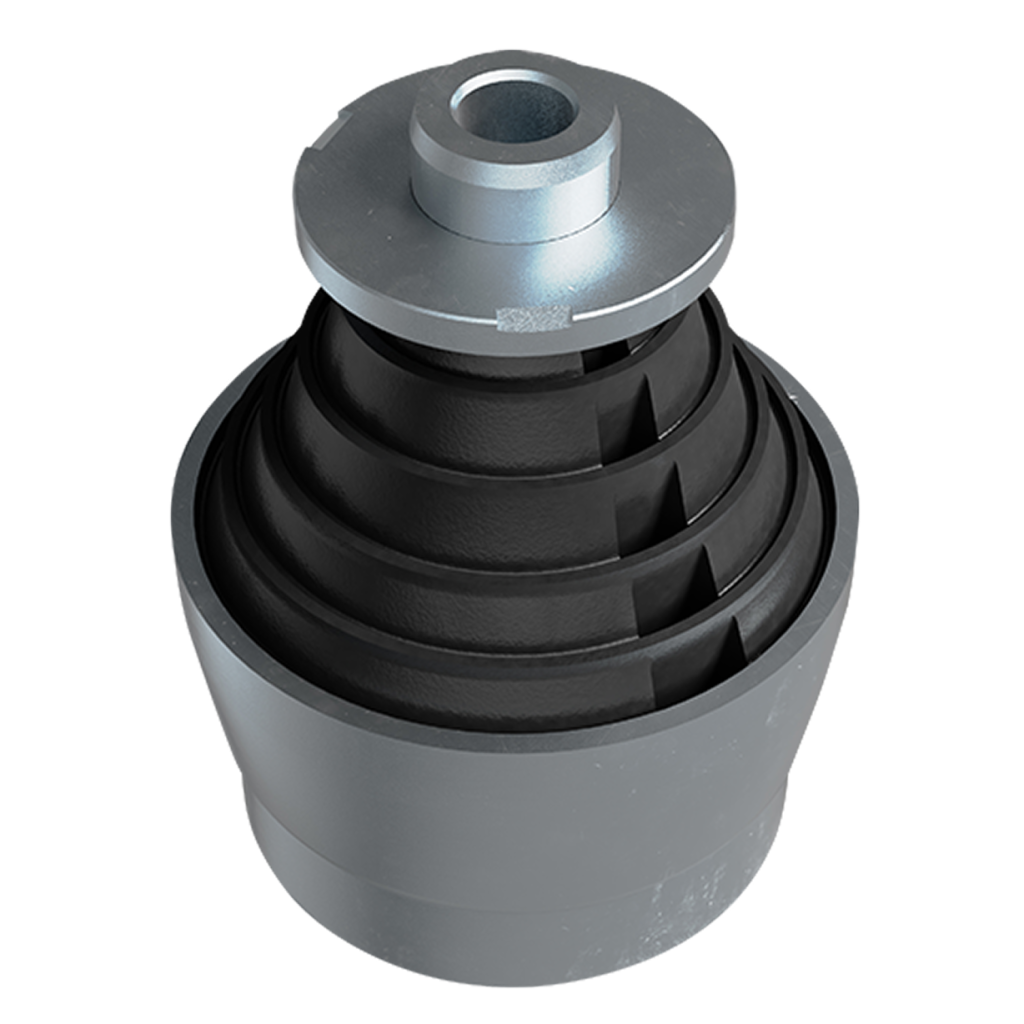
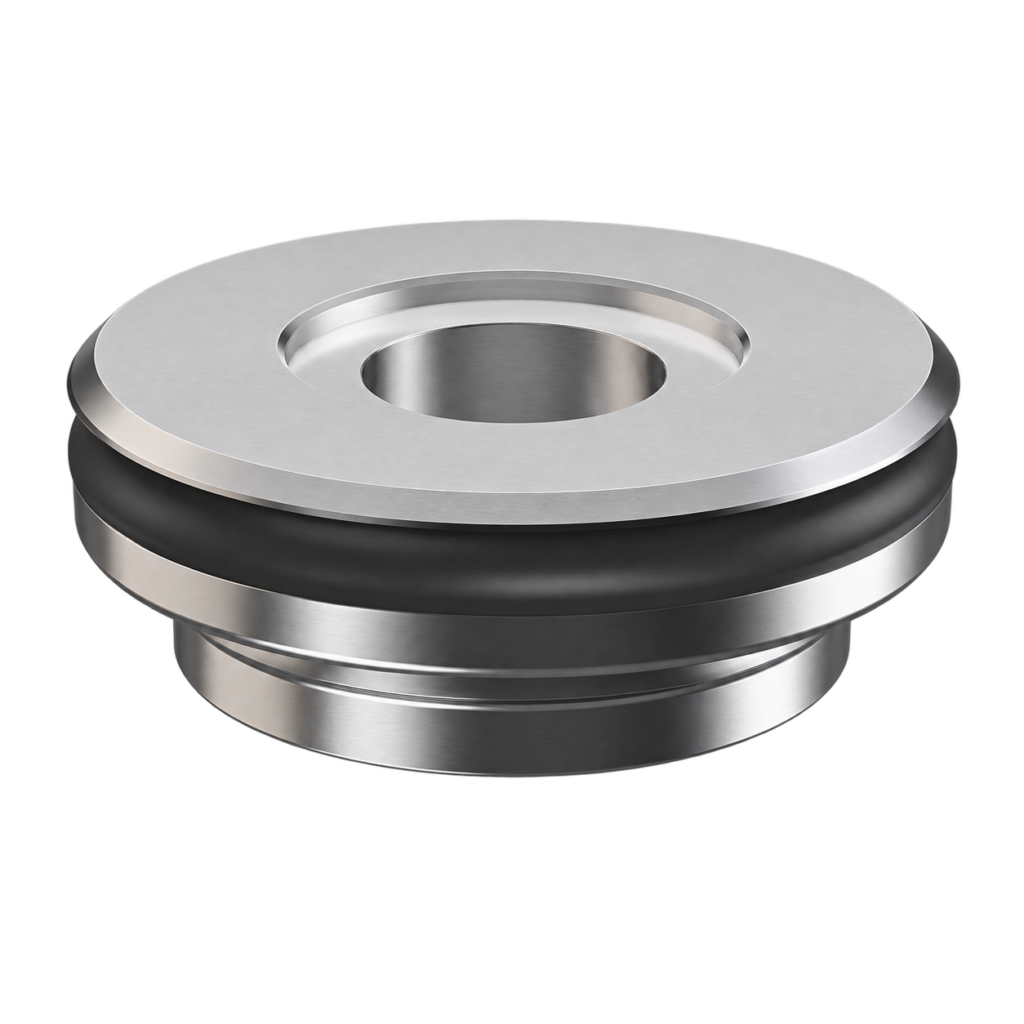
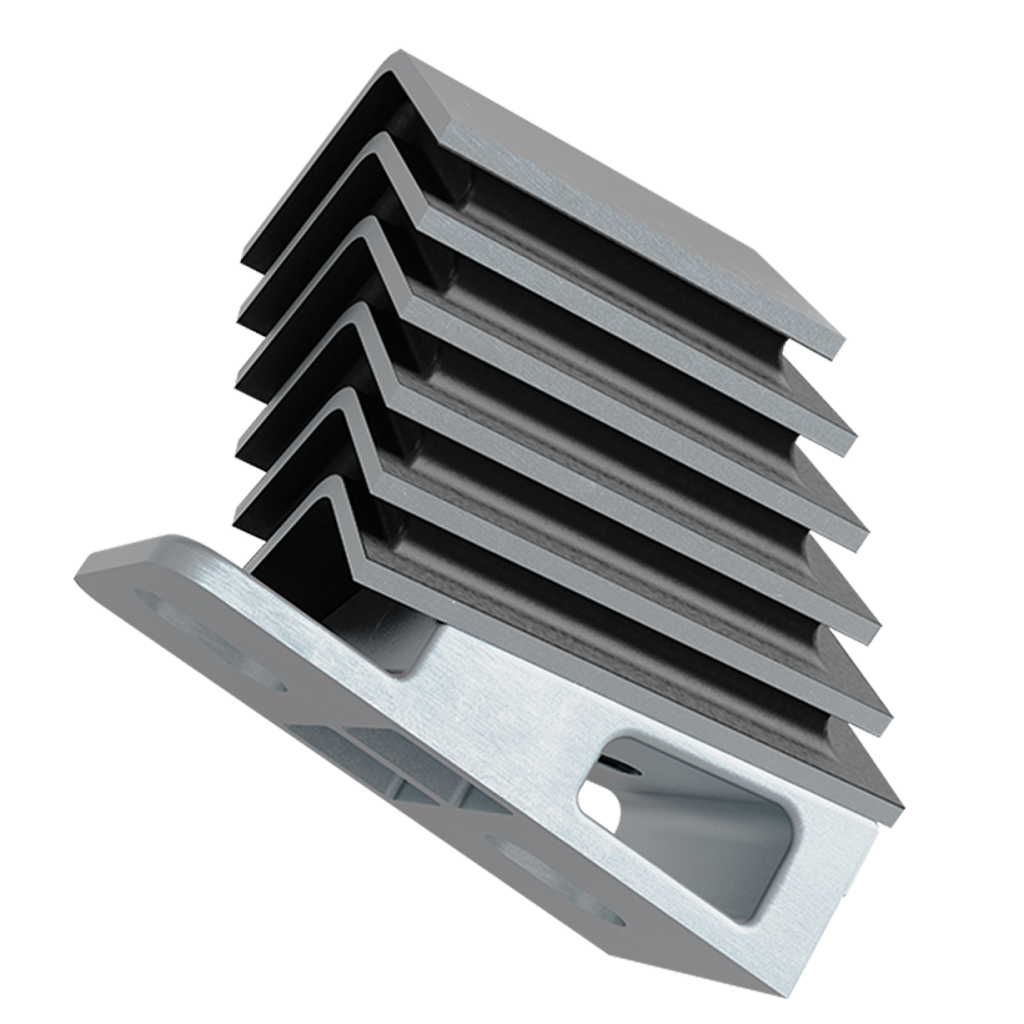
Rubber blocks are integrated into resilient wheel assemblies as elastic load-transmitting elements.
Their controlled deformation isolates vibration and absorbs shock loads generated at the wheel–rail interface. This reduces the transmission of vibration into the running gear and vehicle structure.
In urban rail applications, these characteristics help lower operational noise and improve passenger comfort. Compared with rigid wheel arrangements, the elastic support also reduces shock loading and abrasive wear, which can contribute to a longer service life of the adjoining running-gear components.
Structure-Borne Noise and Shock Reduction
The elastomeric construction enables the blocks to support loads while isolating structure-borne noise and absorbing shocks.
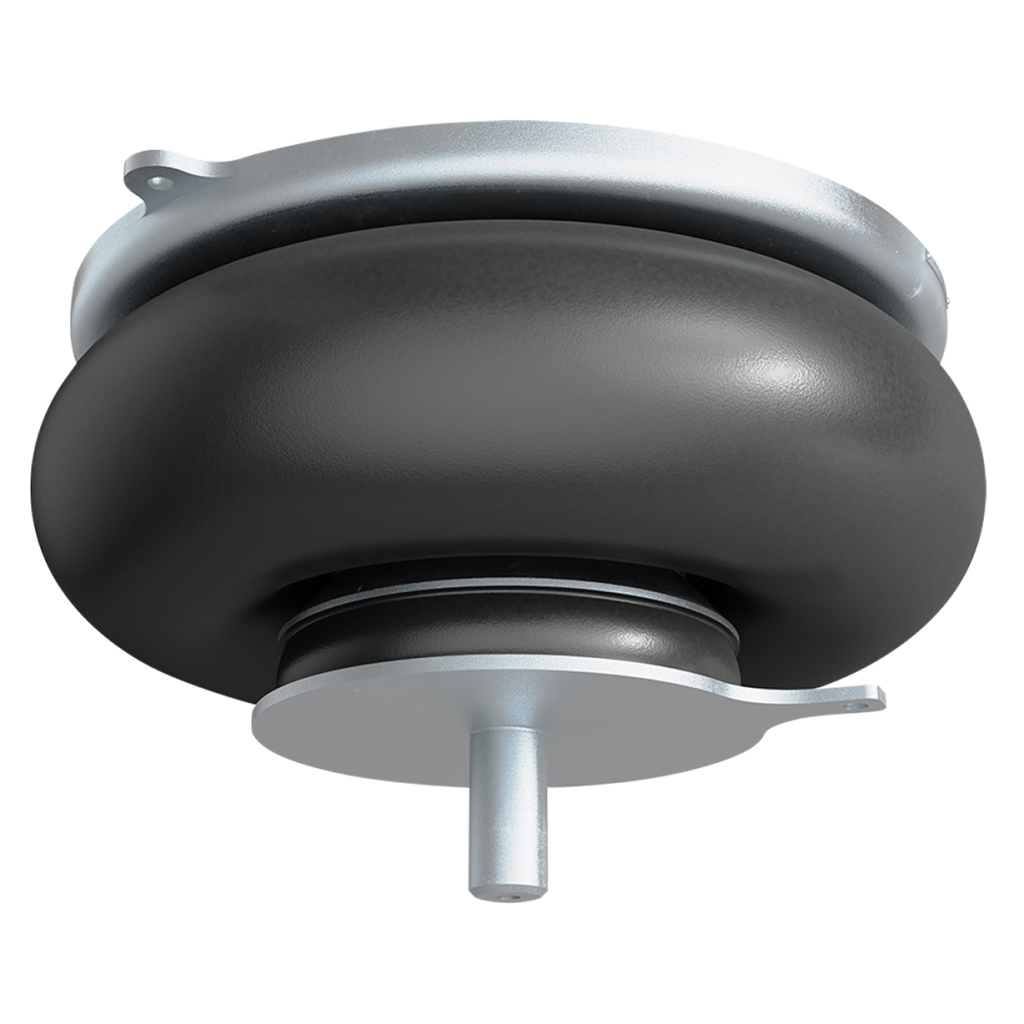
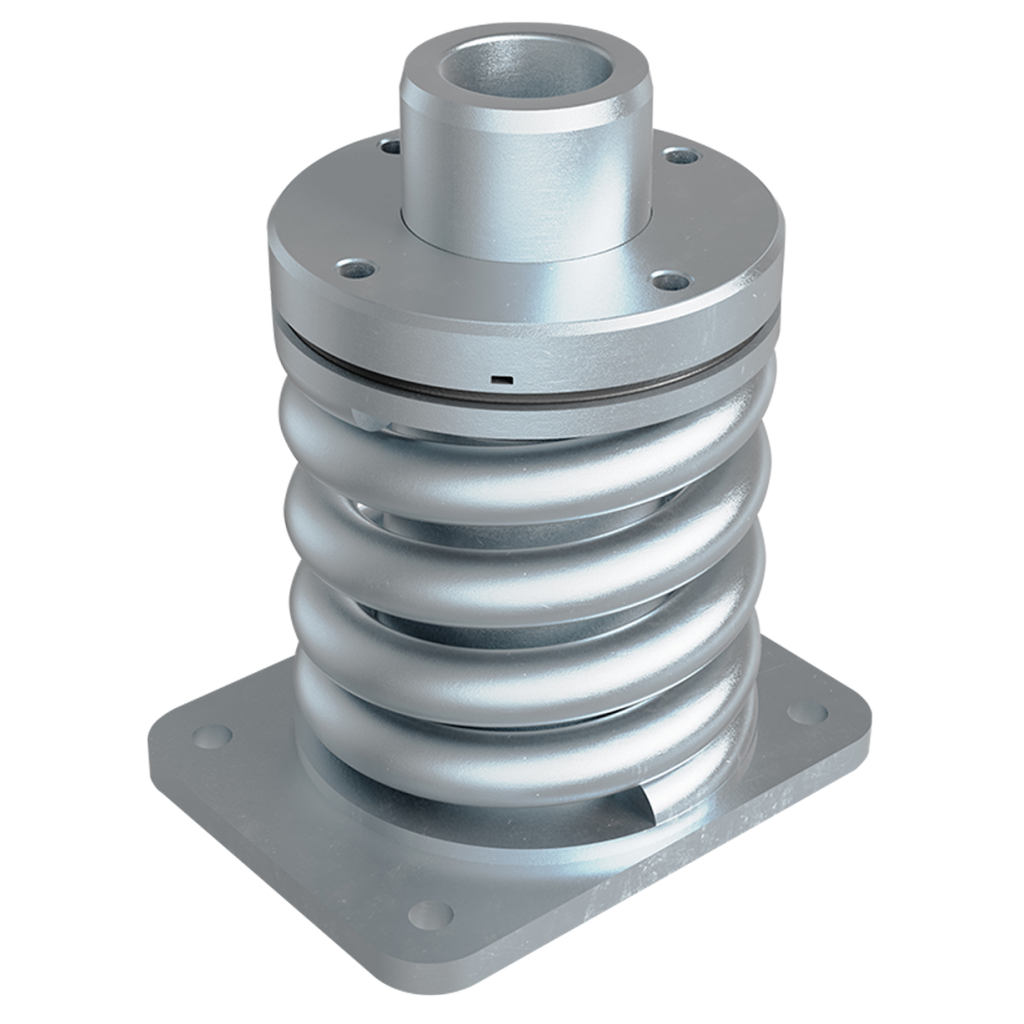
In addition to resilient rail vehicle wheels, rubber blocks can be used in funicular railway systems and industrial roller-table bearings where elastic support and vibration isolation are required.
Key Technical Benefits
- isolation of structure-borne noise;
- effective reduction of vibration transmission;
- absorption of shock loads;
- lower operational noise in resilient wheel applications;
- improved passenger comfort in urban rail vehicles;
- reduced shock loading of adjoining structures;
- reduced abrasive wear within the running gear;
- controlled restoring-force characteristics;
- availability in different shapes and configurations.
Applications in Wheel and Bearing Systems
Rubber blocks are used in resilient wheels for railway and urban rail vehicles where vibration isolation, noise reduction and shock absorption are required.
Additional applications include funicular railway systems and bearings for industrial roller tables.
The components can be supplied for wheel overhaul, scheduled maintenance, component replacement, refurbishment and new-production projects.
Project-Specific Manufacturing
The geometry and elastic characteristics of the rubber blocks are selected or developed according to the intended wheel or bearing arrangement.
Custom versions can be manufactured according to an existing technical drawing, original component, physical sample or defined customer specification. Replacement components can also be evaluated for existing assemblies where the original product is discontinued or no longer commercially available.
Each application is technically reviewed individually before production.
German Production and Quality Control
Rubber blocks are manufactured in Germany under quality management systems certified to ISO 9001 and ISO 22163.
Production includes dimensional inspection and 100% testing of the restoring forces. Based on the measured results, the rubber blocks are assigned to defined categories so that components with comparable characteristics can be installed together at the individual bearing points.
The finished products are supplied with an EN 10204 3.1 inspection certificate.