
Ride Comfort and Secondary Suspension Performance
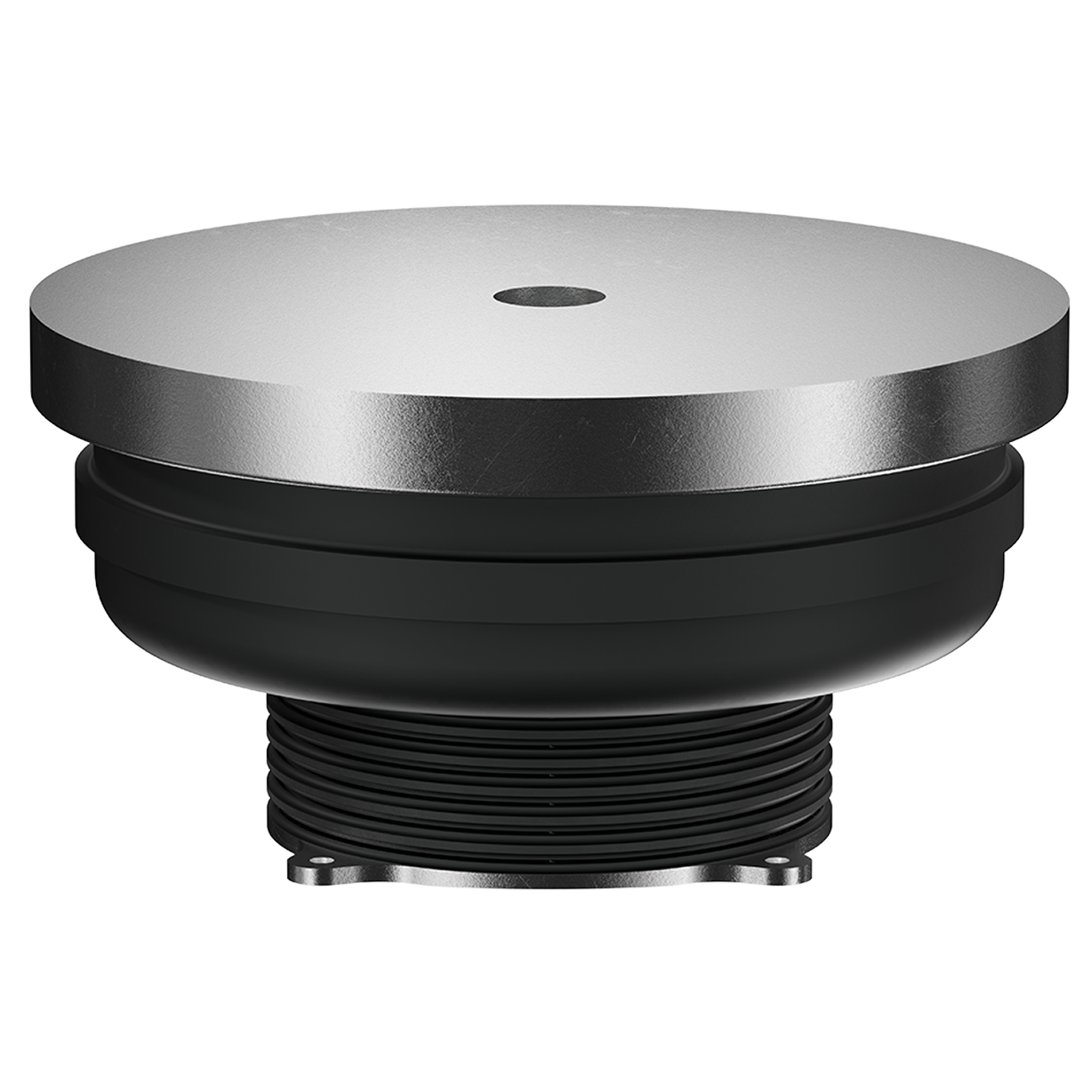
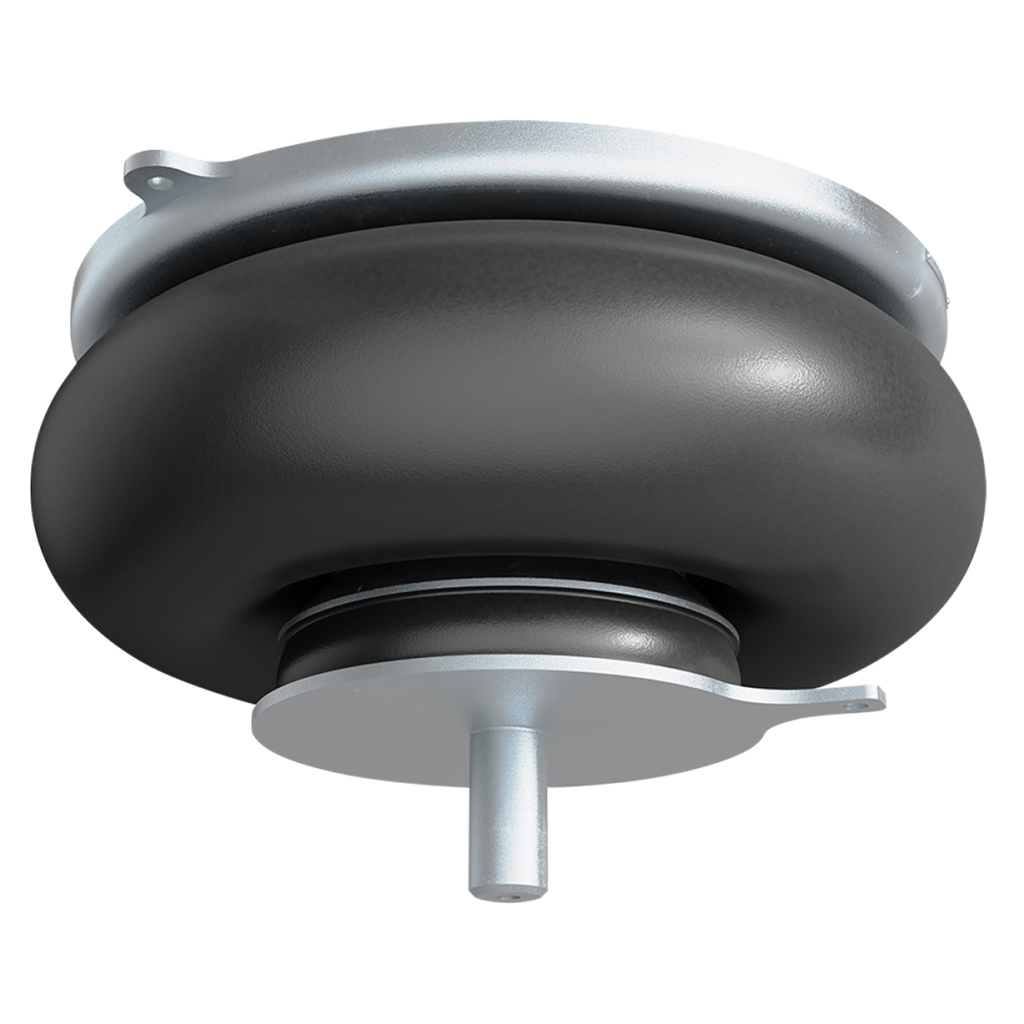
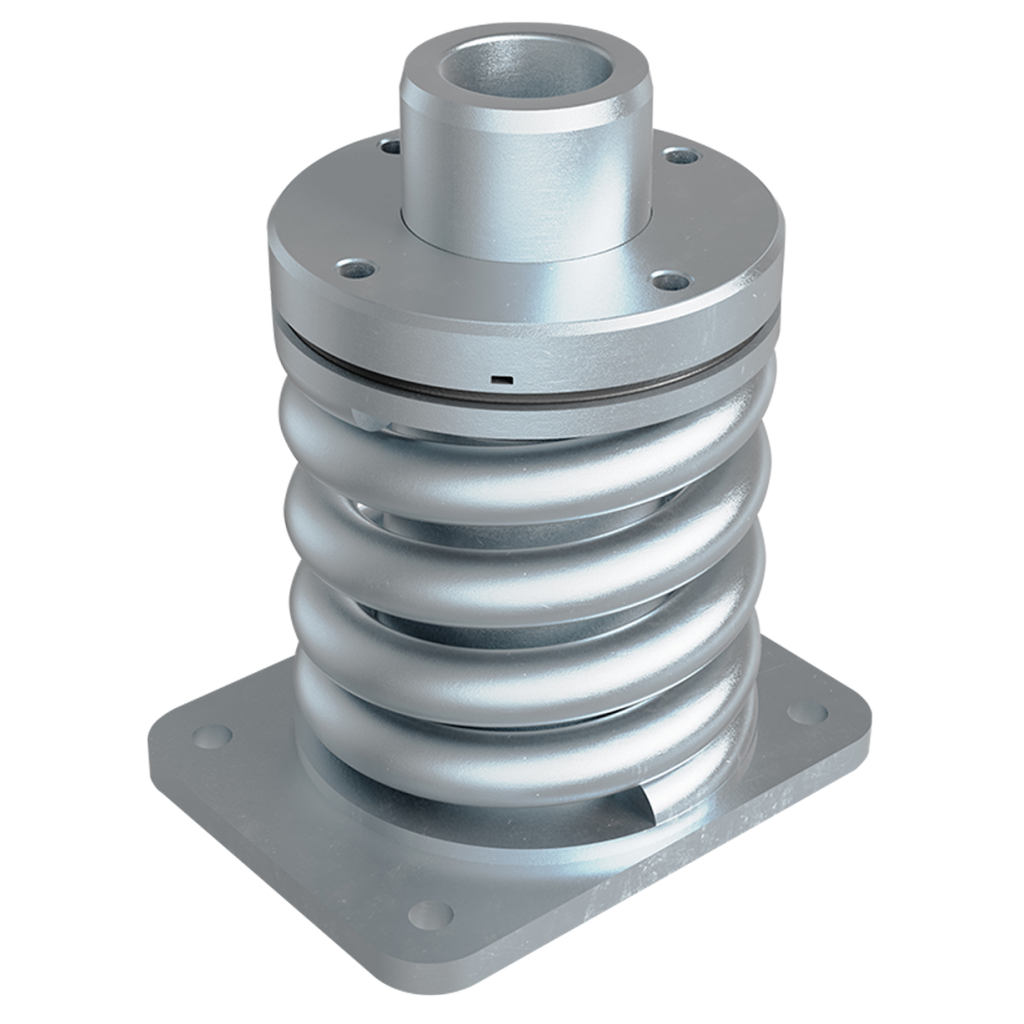
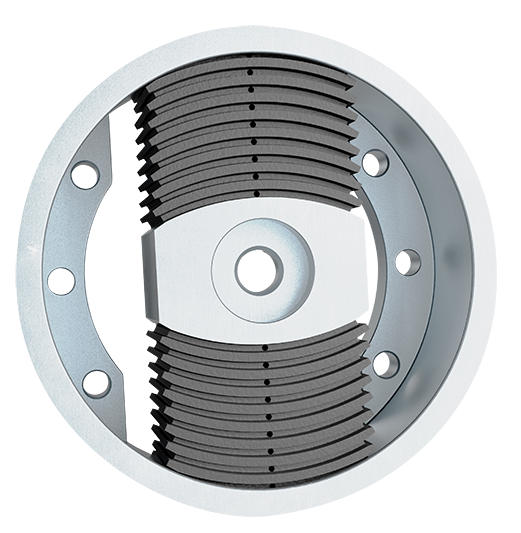
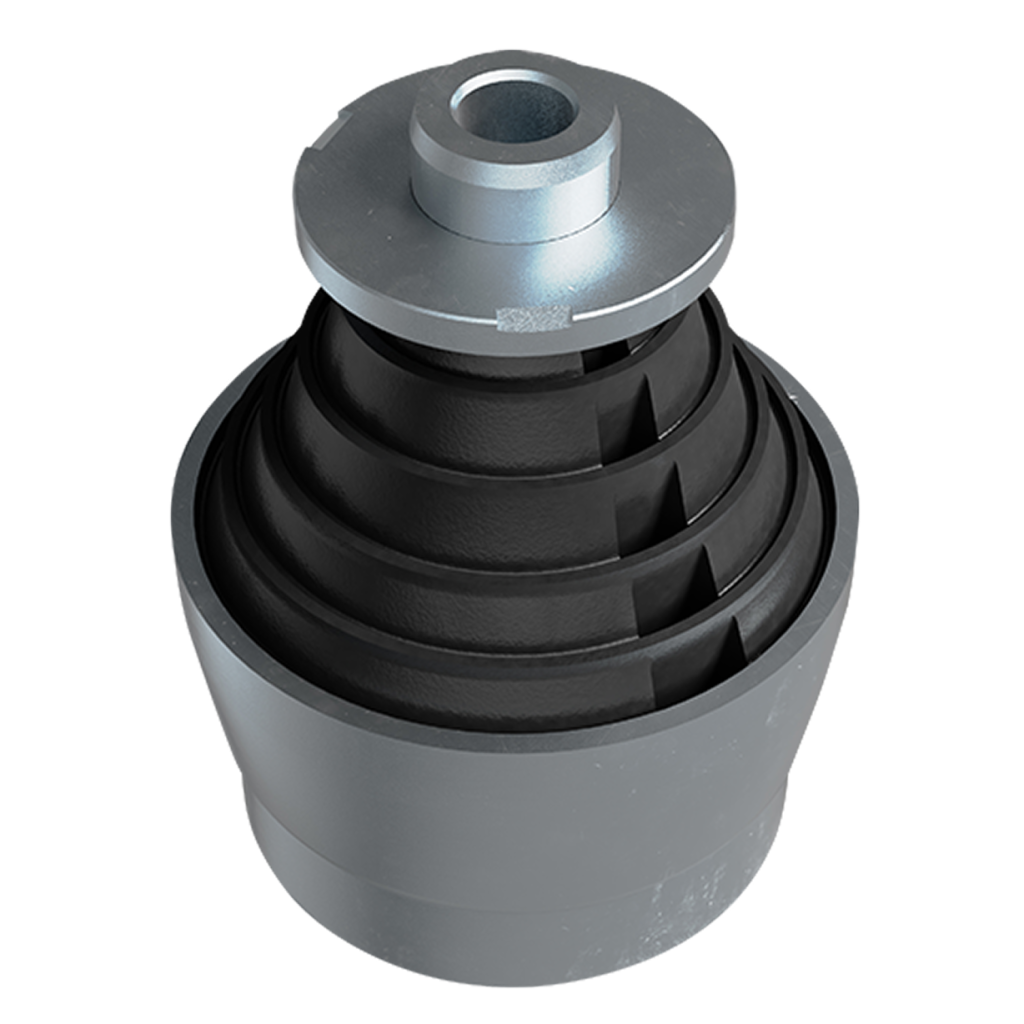
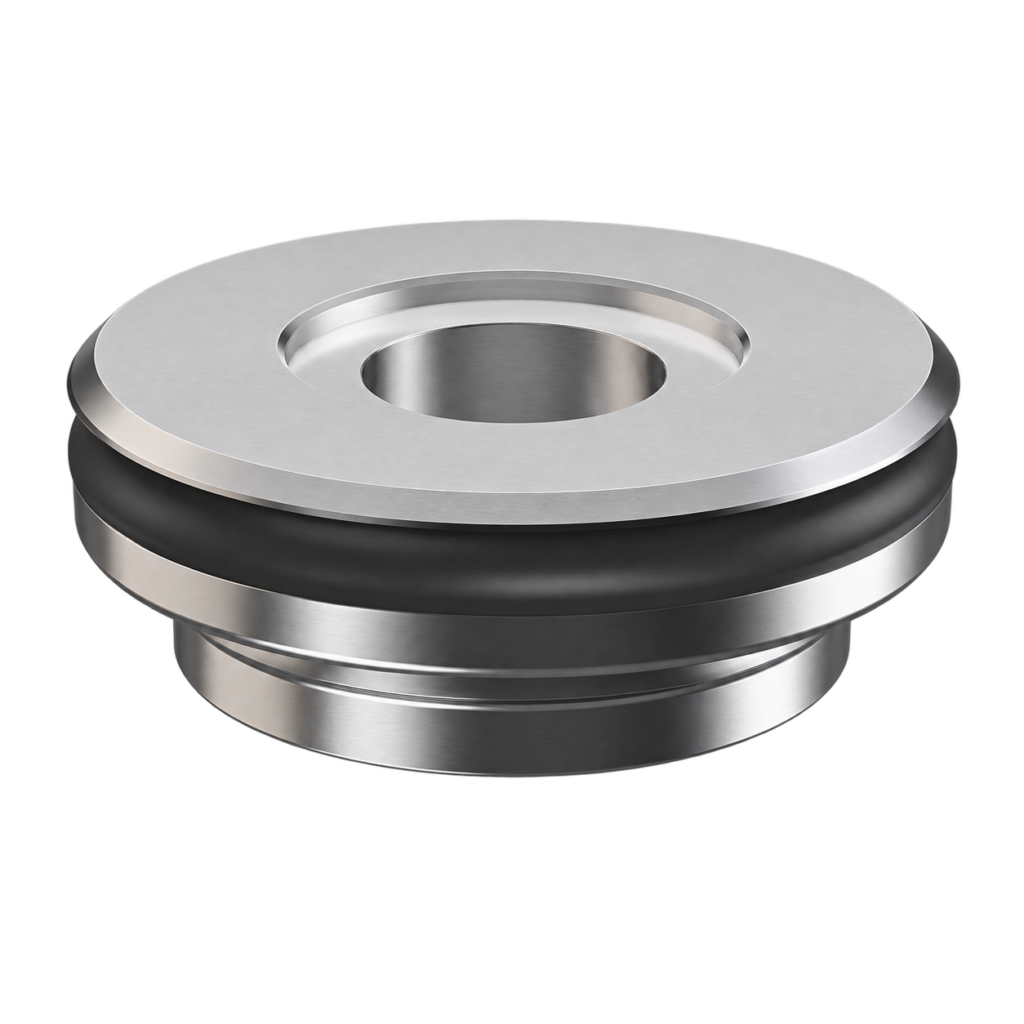
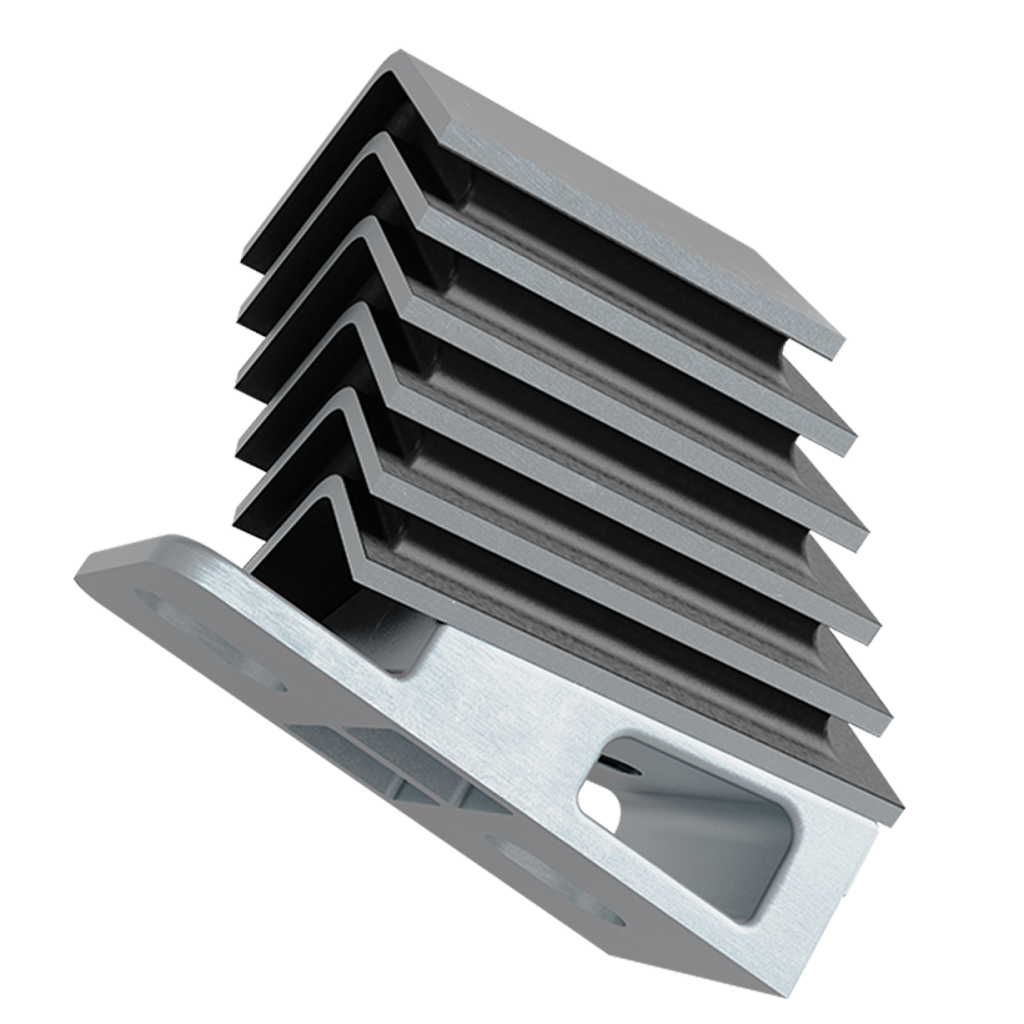
In secondary suspension systems, air springs help isolate the car body from dynamic forces generated at the wheel–rail interface. By reducing the transfer of vibration and impact loads, they improve passenger comfort and support stable vehicle behaviour.
The system allows controlled relative movement between the bogie and the vehicle body while maintaining reliable load transfer during acceleration, braking and operation on uneven track.
Key Technical Benefits
- effective reduction of vibration and structure-borne noise;
- improved ride comfort and vehicle stability;
- controlled transmission of vertical and lateral forces;
- compensation for changing vehicle and passenger loads;
- reduced dynamic loads on the car body and connected structures;
- support for automatic or controlled vehicle levelling;
- high durability under repeated dynamic and cyclic loading.
Applications in Railway Bogies
Air spring systems can be supplied for new rolling stock as well as maintenance, overhaul, refurbishment and modernisation projects.
Each configuration can be adapted to the relevant bogie design, installation geometry, load conditions and functional requirements. Project-specific solutions can be evaluated on the basis of technical drawings, existing components or defined customer specifications.
Project-Specific Manufacturing
Steering rods are manufactured in different lengths, connection arrangements and bearing configurations according to the intended bogie design.
Custom versions can be produced according to an existing technical drawing, original component, physical sample or defined customer specification.
Each application is technically reviewed and calculated individually before production to ensure that the component meets the agreed force-transmission, movement and installation requirements.
German Production and Quality Control
Air spring systems are manufactured in Germany under quality management systems certified according to ISO 9001 and ISO 22163.
Depending on the project requirements, validation can include functional checks, service-life assessment and dynamic testing under single- or multi-axial loads.
Products can be supplied with an EN 10204 3.1 inspection certificate in accordance with the agreed project documentation.