
Controlled Movement and Force Transmission
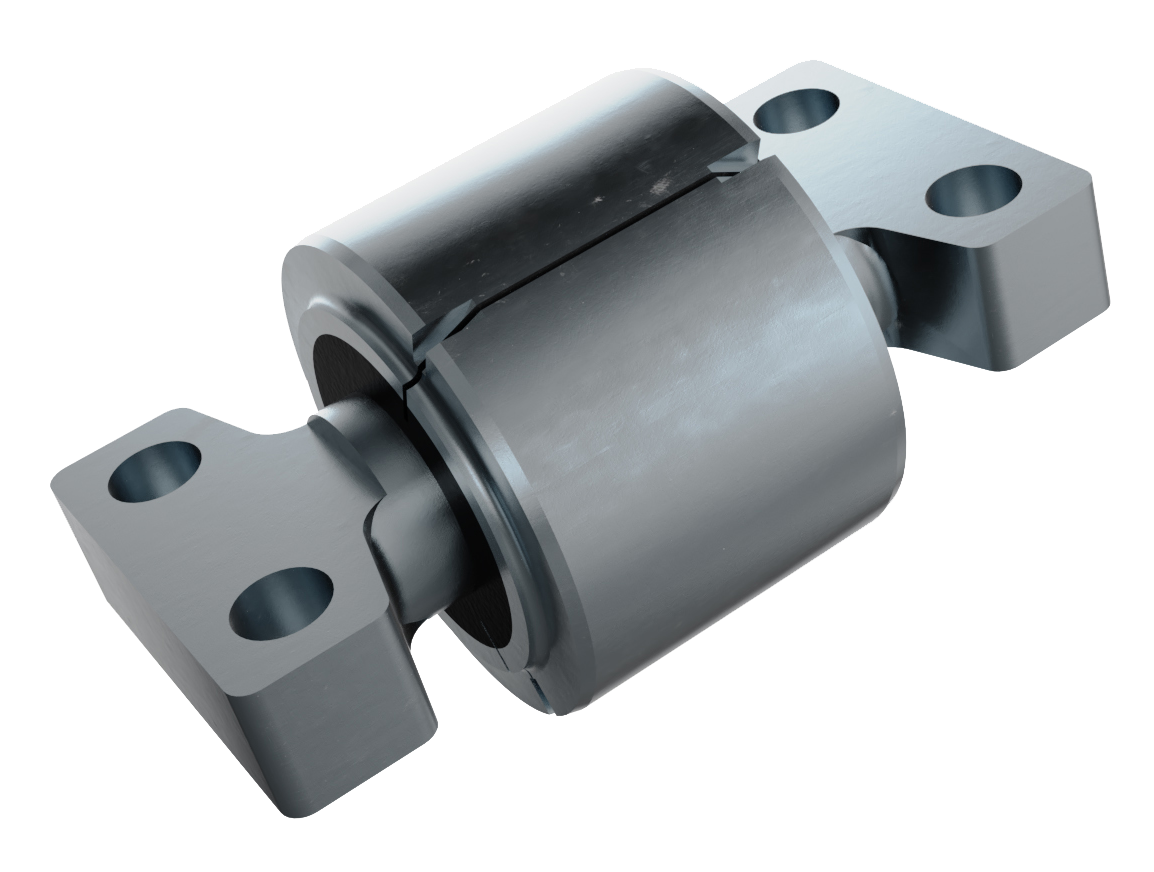
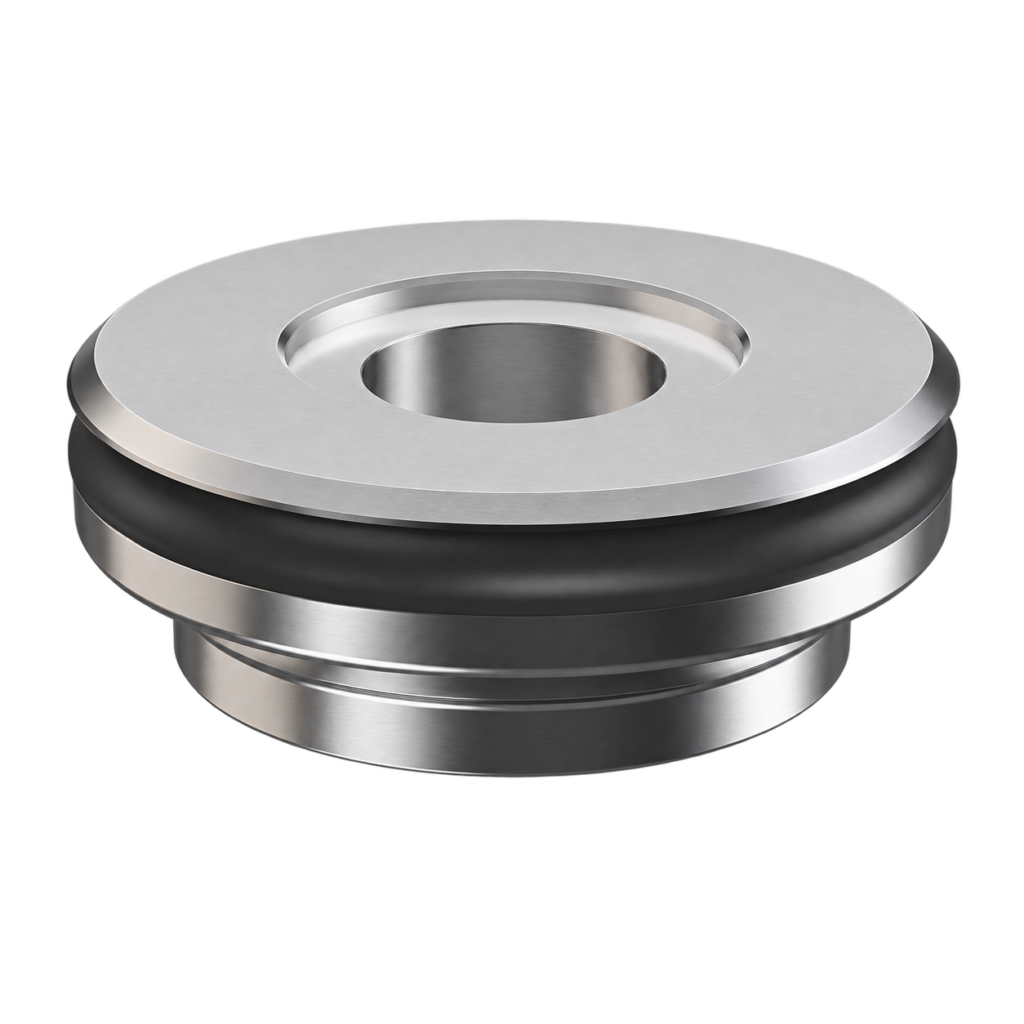
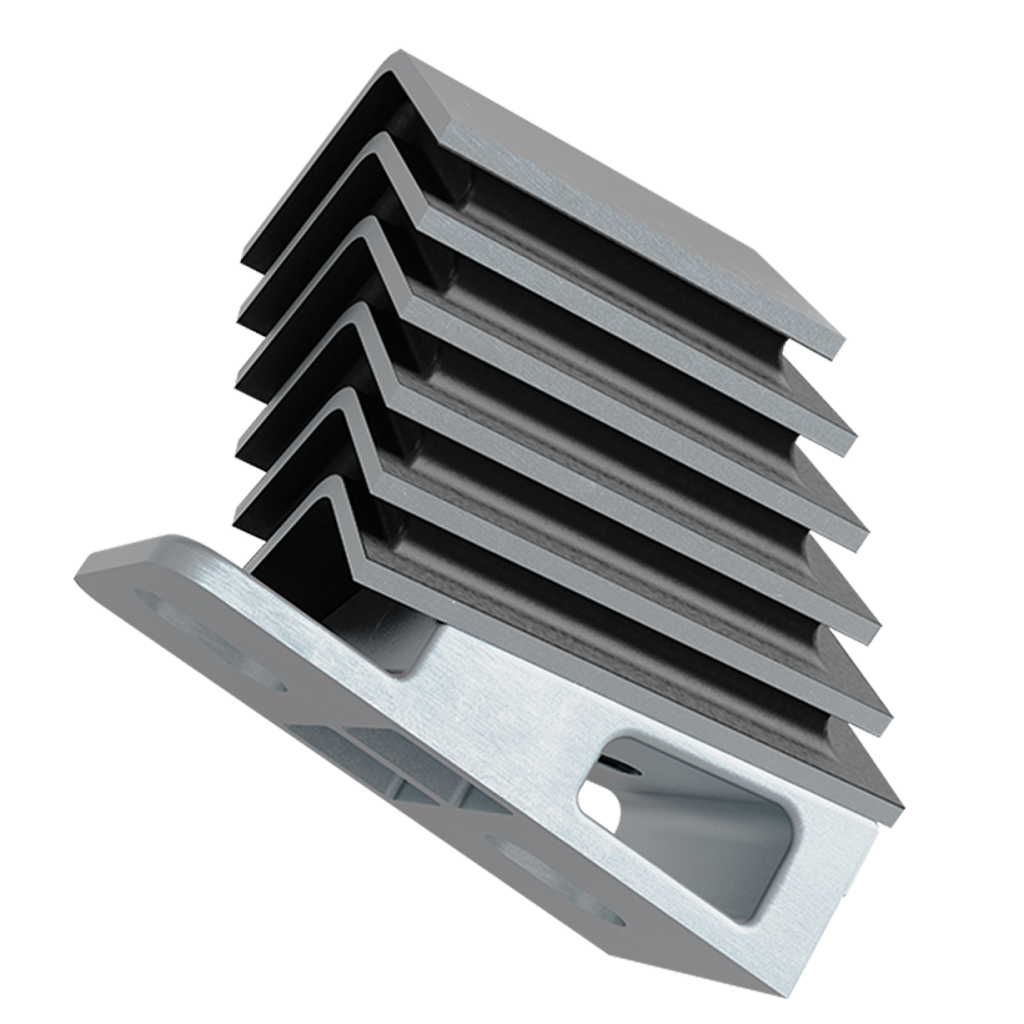
Rubber-metal bushes provide an elastic connection between pins, shafts, arms and supporting structures. Movement is accommodated through deformation of the bonded elastomer layer rather than through direct sliding contact between the metal components.
Depending on the configuration, the bush can transmit radial and axial forces while permitting torsional movement and angular deflection. This helps reduce rigid force transmission and limits vibration and dynamic stress within the connected assembly.
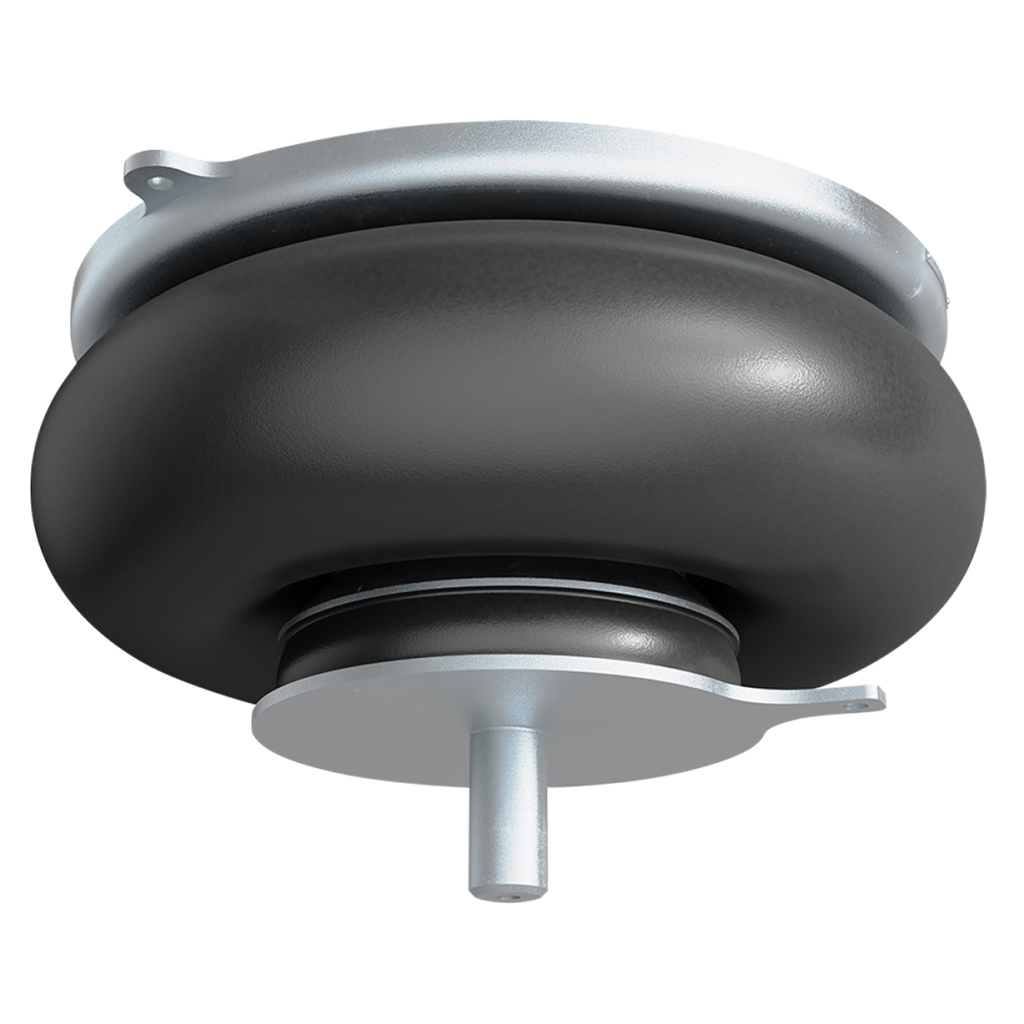
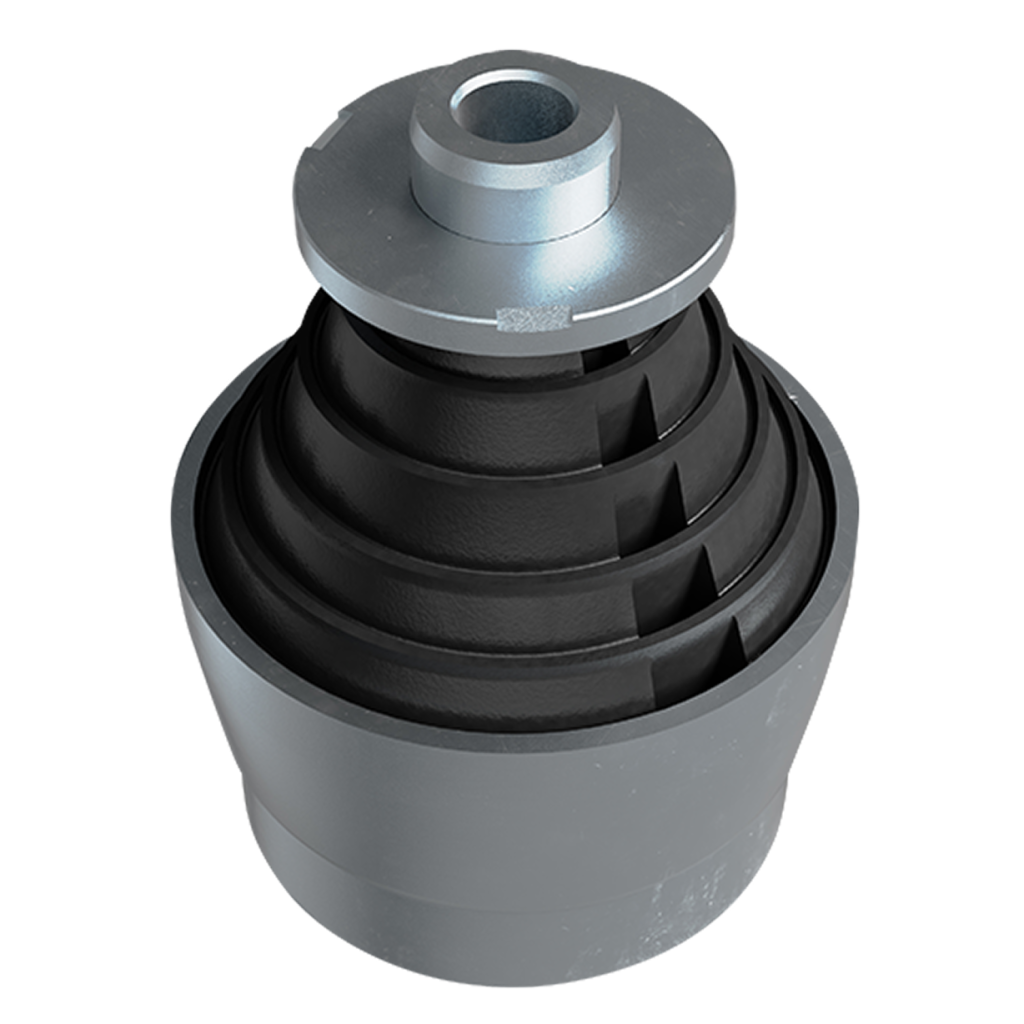
Ball joints are used where a connection must accommodate movement in several directions. The elastomer-bonded spherical element allows articulated movement while maintaining controlled force transmission through the joint.
Lubrication-Free Articulation
The movement of a rubber-metal ball joint is generated through elastic deformation of the elastomer rather than through conventional sliding surfaces.
This enables the joint to operate without lubricants and reduces the maintenance associated with conventional mechanically lubricated joints. The design can incorporate an inner pin or through-hole and different outer socket configurations depending on the intended installation.
Key Technical Benefits
- controlled transmission of radial and axial forces;
- accommodation of torsional and angular movement;
- compensation of limited alignment deviations;
- reduction of vibration transfer and dynamic stress;
- elastic separation of adjoining metal components;
- lubrication-free movement in ball-joint applications;
- compact integration into articulated assemblies;
- reduced maintenance requirements;
- reliable operation under repeated movement and loading.
Applications in Suspension and Linkage Systems
Rubber-metal bushes are used in pivot points, suspension connections, linkage systems, control arms and other assemblies requiring elastic force transmission and controlled movement.
Ball joints are suitable for connecting rods, steering and suspension linkages, articulated mechanisms and machinery joints requiring movement in several directions.
Project-specific versions may be used in railway bogies, urban transport vehicles, military and special-purpose vehicles, construction and agricultural machinery, and industrial equipment.
Project-Specific Manufacturing
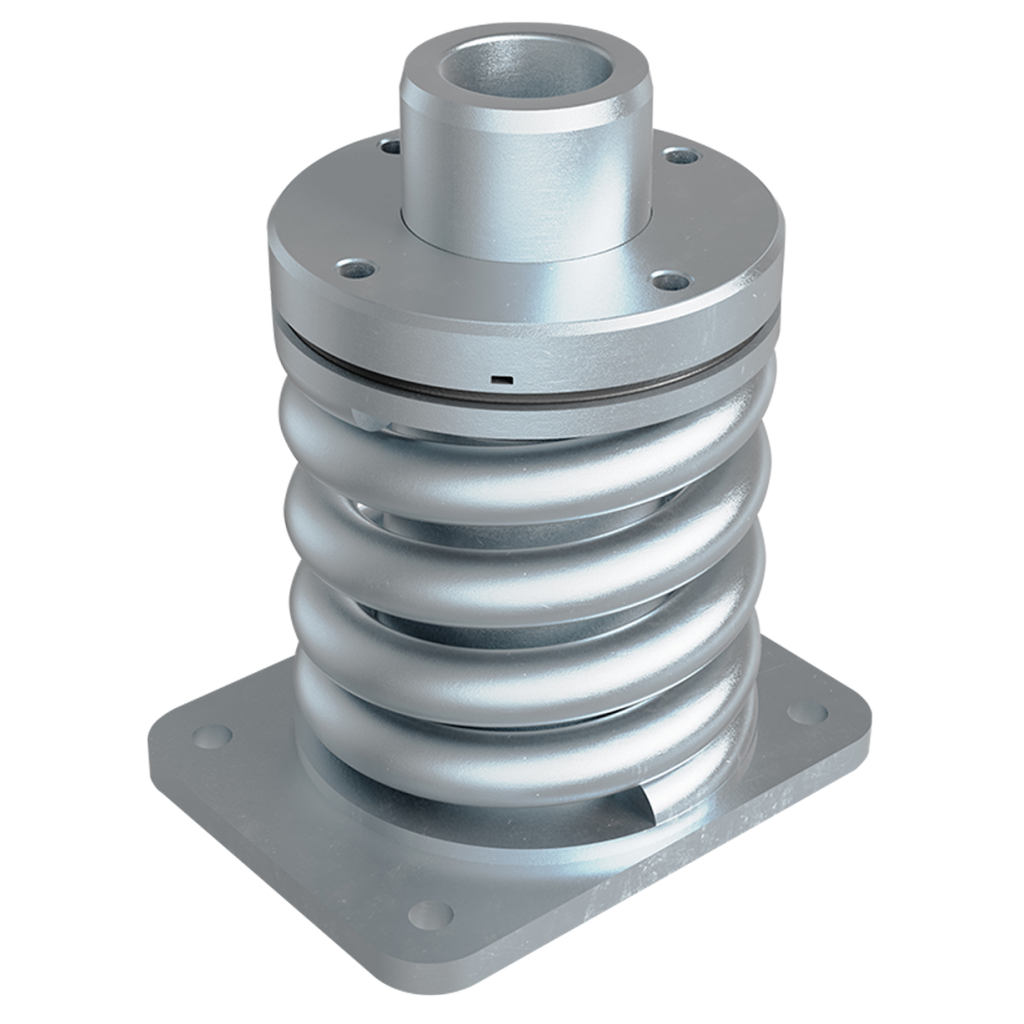
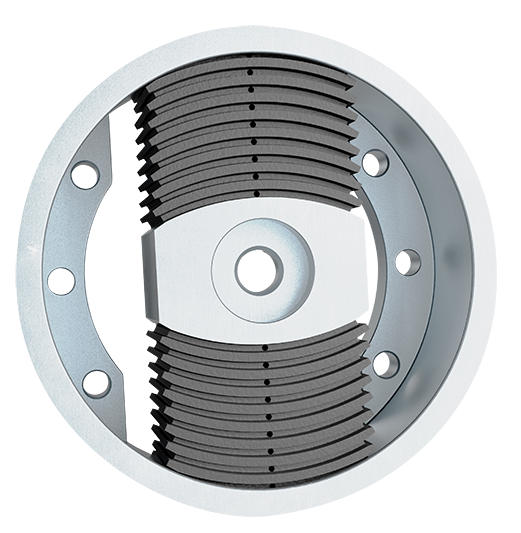
Bushes and ball joints are available in different geometries and structural configurations. The metal components and elastomer section are designed according to the required movement and load-transmission function.
Custom components can be manufactured according to an existing technical drawing, original part, physical sample or defined customer specification.
Replacement versions can also be developed for maintenance, overhaul, modernisation and discontinued-component projects. Each application is technically reviewed and calculated individually before production.
German Production and Quality Control
Rubber-metal bushes and ball joints are manufactured in Germany under quality management systems certified to ISO 9001 and ISO 22163.
Product-specific verification focuses on dimensional conformity and the agreed radial, axial, torsional and angular characteristics. The applicable movement and load-transmission properties are evaluated according to the individual component design.
The finished products are supplied with an EN 10204 3.1 inspection certificate.