
Controlled Force and Torque Transmission
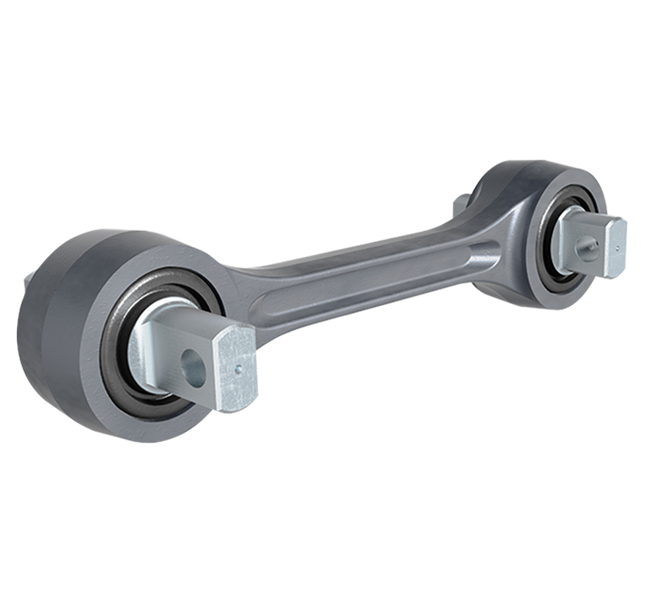
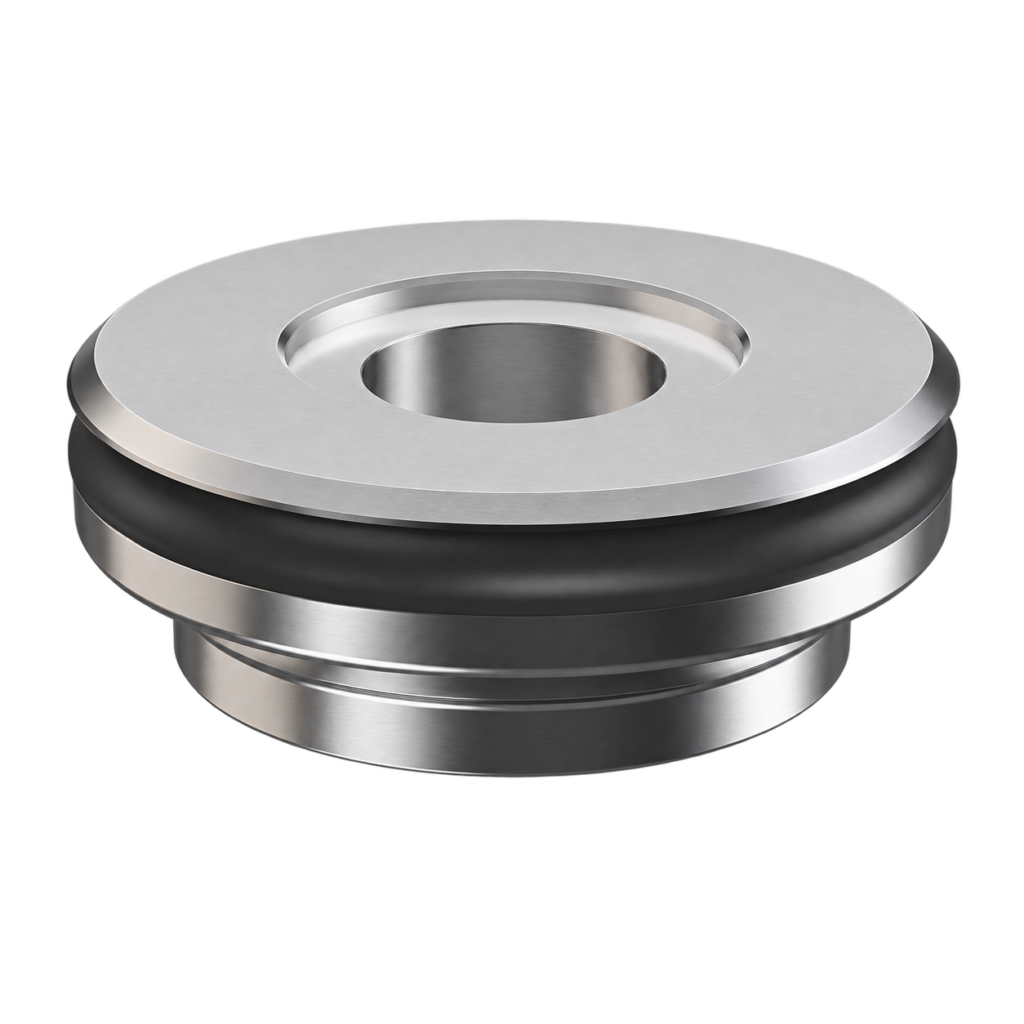
Traction rods form articulated connections between structural assemblies and transmit defined longitudinal or transverse forces. In rail vehicles, they are commonly integrated into bogie, suspension and bogie-to-body force-transmission systems.
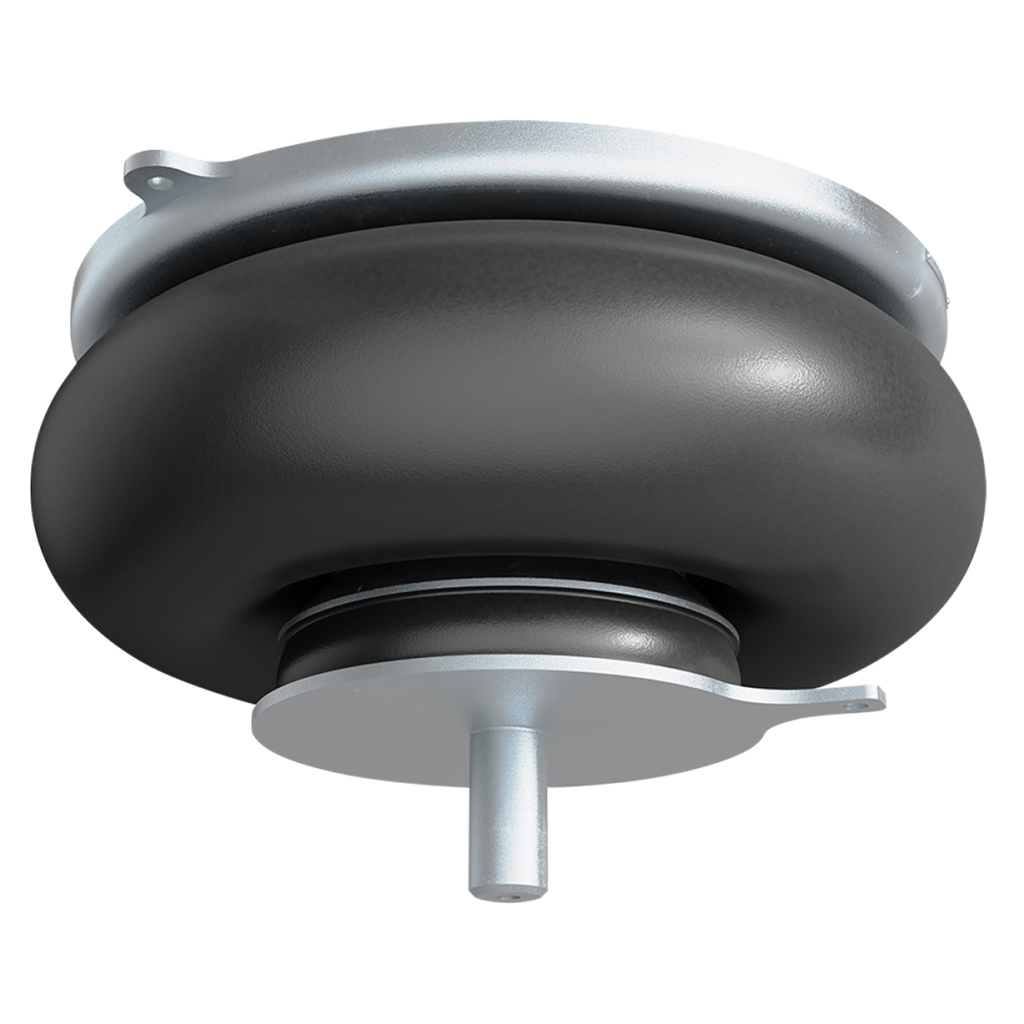
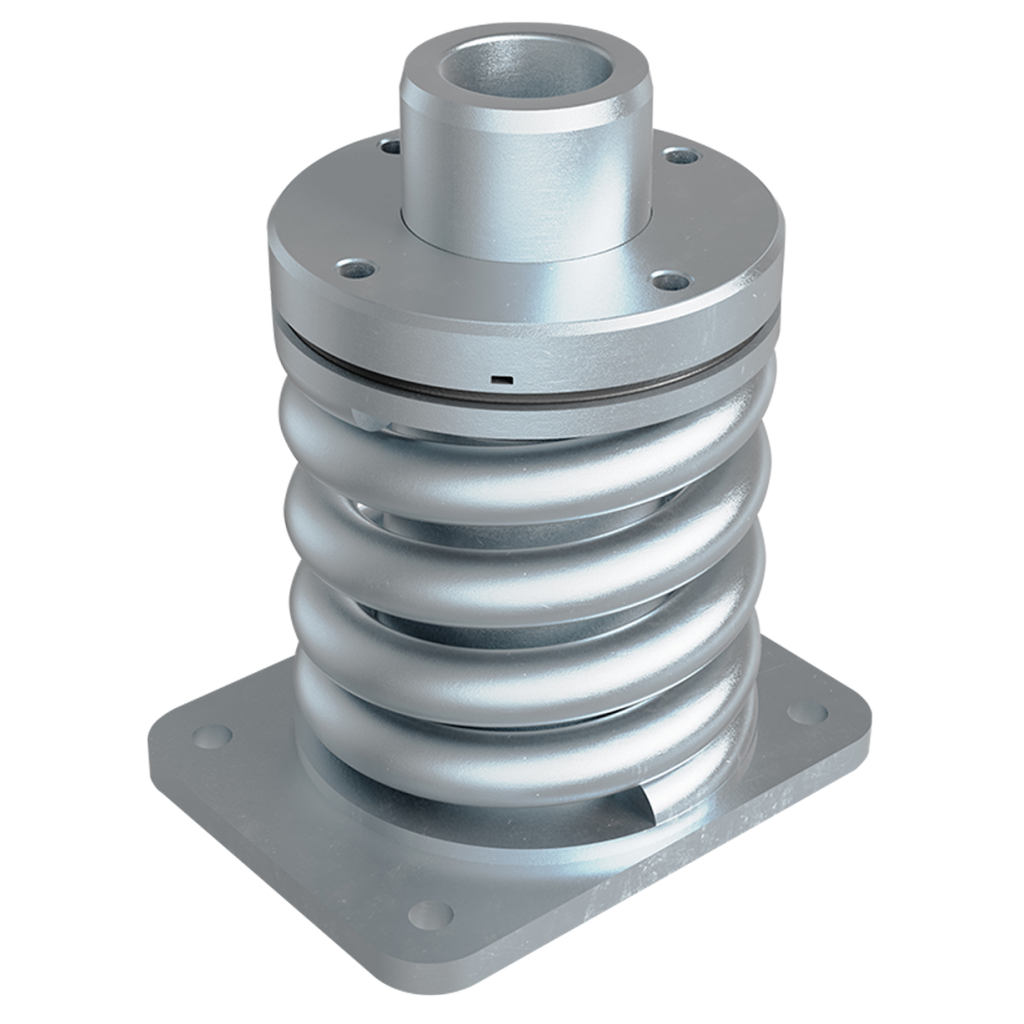
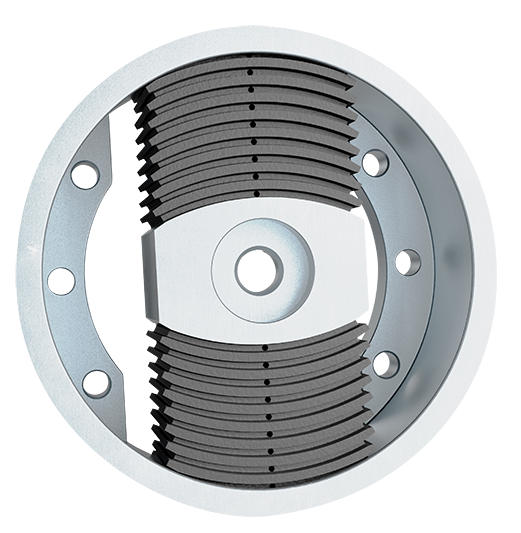
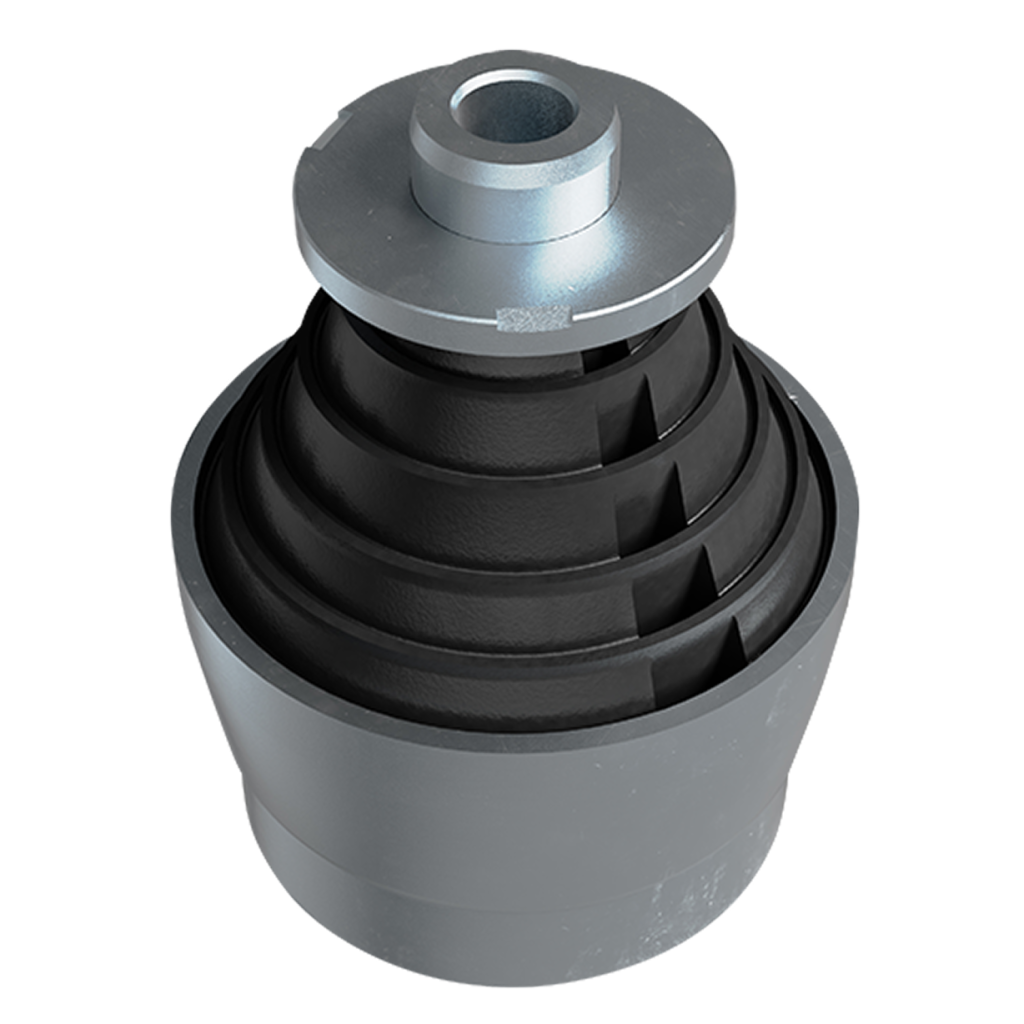
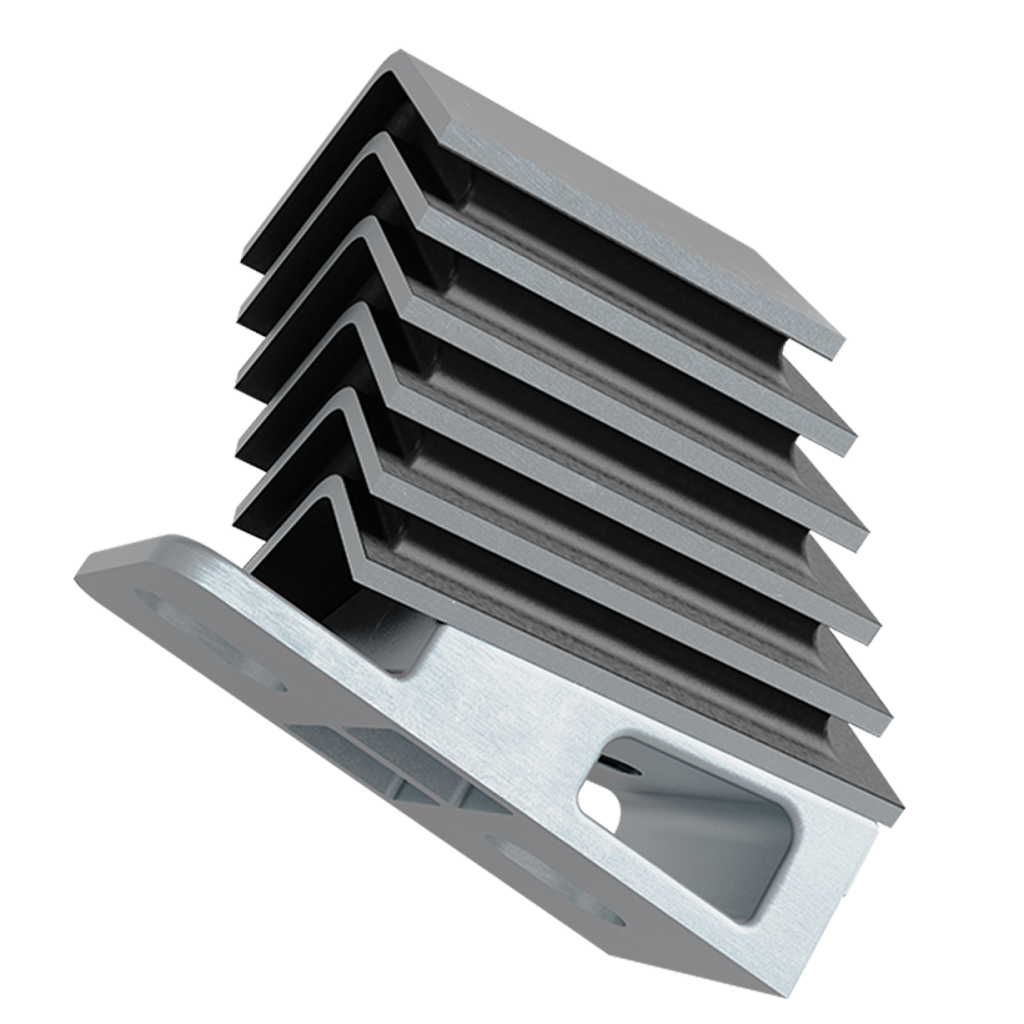
Torque supports provide resilient support for gear units and transfer reaction torque into the surrounding bogie, chassis or support structure. Their elastic bearing elements accommodate the movement required during operation while preventing rigid transmission of vibration and dynamic loads.
Key Technical Benefits
- controlled transmission of longitudinal and transverse forces;
- reliable transfer of gearbox and drivetrain reaction torque;
- compensation of angular and relative movement;
- reduction of vibration and structure-borne noise;
- damping of shock and peak loads;
- protection of mounting points and connected structures;
- reduced mechanical stress within adjoining assemblies;
- stable performance under repeated cyclic loading.
Applications in Bogie, Chassis and Drivetrain Systems
In railway and city transport vehicles, traction rods are used in powered bogies, suspension linkages and bogie-to-body connections. Torque supports are used in resilient gearbox mounting arrangements and drivetrain installations requiring controlled transfer of reaction torque.
Project-specific traction links and torque-reaction supports may also be used in military and special vehicles. Typical applications include suspension linkages, axle-guidance systems, chassis connections and drivetrain support arrangements where force transmission must be combined with controlled movement and vibration isolation.
Custom Manufacturing for Project Requirements
Traction rods and torque supports are available in different sizes and technical configurations. Each project is evaluated individually according to the intended function, installation environment and customer requirements.
Custom versions can be manufactured according to an existing technical drawing, original component, physical sample or defined specification. Replacement components can also be evaluated for maintenance, overhaul, modernisation and discontinued-part projects.
German Production and Quality Control
Traction rods, torque supports and their integrated rubber-metal joints are manufactured in Germany under quality management systems certified to ISO 9001 and ISO 22163.
Quality control focuses on dimensional conformity and the agreed force-transmission, movement and elastic characteristics. Depending on the application, project-specific static or dynamic testing may be performed to verify reliable operation under alternating loads.
The finished products are supplied with an EN 10204 3.1 inspection certificate.